
- 1.Life coaching specializations are the biggest factor in income — executive coaches earn $300-$500/hr while general life coaches average $75-$150/hr
- 2.54% of coaches globally focus on leadership/executive coaching, the most common and highest-paying niche (ICF 2025)
- 3.Health & wellness coaching is the fastest-growing specialization, with the market projected to reach $37.96 billion by 2034
- 4.Picking a niche early makes marketing easier, builds credibility faster, and commands higher rates
Why Specialization Matters
"I'm a life coach" tells people nothing. "I help first-time tech managers become confident leaders" tells them exactly what you do, who you serve, and whether they need you.
Specialization does three things for your business: it gives you a specific audience to market to, it positions you as an expert (not a generalist), and it justifies higher rates. The data backs this up — the 2025 ICF Global Coaching Study found that 54% of coaches focus on leadership/executive coaching, the specialization with the highest earning potential.
Here are 16 coaching specializations, organized by earning potential and market demand.
High-Earning Specializations
Executive Coaching — the highest-paying coaching niche. Executive coaches work with C-suite leaders, VPs, and senior managers on leadership effectiveness, strategic thinking, and organizational impact. Typical rates: $300-$500+/hour. Annual income for experienced practitioners: $120,000-$350,000+. Most executive coaches have corporate backgrounds themselves. About one-third of Fortune 500 companies invest in executive coaching.
Leadership Coaching — closely related to executive coaching but often broader, targeting emerging leaders, mid-level managers, and high-potential employees. Frequently contracted through HR departments and corporate learning programs. Typical rates: $250-$450/hour. Growing demand as companies invest in leadership development.
Business Coaching — working with entrepreneurs, small business owners, and startup founders on growth strategy, operations, marketing, and scaling. Typical rates: $200-$400/hour. Business coaches often package services as monthly retainers rather than per-session pricing.

Employee Performance Coach Certification
Develop high-performing teams and foster leadership potential in organizations.

Startup Coach Certification
Help entrepreneurs transform ideas into thriving businesses.

Emotional Intelligence Coach Certification
Coach clients to understand emotions, regulate reactions, and build stronger relationships.

Group Coaching Certification
Create scalable group coaching programs with design, admin, and marketing tools.
Affiliate link · We may earn a commission at no extra cost to you
High-Growth Specializations
Health & Wellness Coaching — one of the fastest-growing niches, with the global health coaching market projected to reach $37.96 billion by 2034 (Precedence Research). Health coaches support behavior change around nutrition, exercise, stress, and chronic disease management. The NBHWC credential is the gold standard. Increasingly recognized by healthcare systems and employers.
Career Coaching — helping professionals navigate job transitions, promotions, career pivots, and job searches. Strong demand from both individual clients and organizations offering outplacement services. Typical rates: $100-$250/hour.
ADHD Coaching — a growing niche serving adults and adolescents with ADHD. Focuses on executive function, time management, organization, and productivity strategies. Specialized training is essential — PAAC (Professional Association of ADHD Coaches) offers credentials. Growing demand as ADHD awareness increases.
Financial Coaching — helping clients develop healthy money habits, build budgets, and achieve financial goals. Distinct from financial advising (coaches don't give investment advice). Growing demand as financial wellness becomes part of employer benefits packages.
Lifestyle & Purpose Specializations
Relationship Coaching — working with individuals and couples on communication, conflict resolution, and relationship goals. Important to clearly distinguish from couples therapy. Typical rates: $100-$200/hour.
Life Purpose Coaching — helping clients align their lives with their values and find meaningful direction. Often serves clients at major life transitions (career change, retirement, post-children, post-divorce). Typical rates: $100-$200/hour.
Spiritual Coaching — integrating faith, spirituality, or personal values into the coaching process. Can be faith-based (Christian coaching, Buddhist-informed coaching) or secular (meaning, purpose, consciousness). Important ethical considerations around not imposing beliefs.
Mindset & NLP Coaching — using neurolinguistic programming and cognitive techniques to help clients shift limiting beliefs, build confidence, and change behavioral patterns. NLP certification adds a specialized methodology to general coaching skills.
Browse Coaching Certifications
SponsoredAll certifications $197 · Self-paced · CPD accredited

Professional Life Coach Certification
Foundational coaching certification covering methods, tools, and industry best practices.

Career Coach Certification
Guide professionals through career transitions, branding, and long-term strategies.

Health Coach Certification
Holistic nutrition and exercise principles for long-term client well-being.

Spiritual Life Coach Certification
Help clients build a spiritual foundation, deepen self-awareness, and live with purpose.

Christian Life Coach Certification
Coaching certification integrating biblical principles for spiritual growth.

NLP Coach Certification
Leverage NLP techniques to reprogram the subconscious for lasting transformation.

Grief Coach Certification
Help clients navigate loss with compassion and evidence-based support.

Sobriety Life Coach Certification
Support individuals in creating lasting change and a substance-free lifestyle.
Affiliate link · We may earn a commission at no extra cost to you
Specialized Population Coaching
Youth & Teen Coaching — working with adolescents and young adults on academic performance, social skills, confidence, and life transitions. Requires understanding of developmental stages and parental involvement dynamics.
Addiction Recovery Coaching — supporting individuals in recovery from substance use disorders. Clear scope boundaries with counseling and treatment are essential. CCAR (Connecticut Community for Addiction Recovery) offers the Recovery Coach Professional (RCP) credential — 60 hours of specialized training.
Grief & Loss Coaching — supporting clients through bereavement, life transitions, and loss. Especially important to know when to refer to a therapist. Coaches support forward movement; therapists address clinical grief disorders.
Health & Body Specializations
Fitness Coaching — combining life coaching methodology with exercise and movement guidance. Many fitness coaches hold dual certifications (coaching + personal training from ACE, NASM, or ACSM). Often overlaps with health coaching.
Nutrition Coaching — helping clients develop healthy eating habits and achieve dietary goals. Critical to distinguish from registered dietitians (RDs) — nutrition coaches support behavior change, not medical nutrition therapy. Scope of practice boundaries are important.
How to Choose Your Specialization
The best specialization sits at the intersection of three things:
Your background and expertise. Former executives make credible executive coaches. Former teachers connect with youth coaching. Nurses transition naturally into health coaching. Your pre-coaching career isn't irrelevant — it's your competitive advantage.
Your passion. You'll spend hours every week in deep conversation about this topic. It needs to energize you, not drain you.
Market demand. Not all niches pay equally. Executive and leadership coaching command the highest rates. Health coaching has the strongest growth trajectory. General life coaching has the most competition and lowest average rates.
You can always evolve your niche. Many coaches start with one specialization and refine it as they discover what they enjoy and what the market rewards.
Frequently Asked Questions
Latest Articles

Life Coaching Industry Trends 2026
The coaching industry hit $5.34 billion. Here are the trends shaping 2026 and what they mean for new coaches.

How Much Does Certification Cost?
Complete cost breakdown: ICF-ACC, ICF-PCC, affordable alternatives from $197, and hidden costs nobody mentions.

Can ChatGPT Replace a Life Coach?
AI chatbots vs human coaches: effectiveness, cost, and what the research actually says.
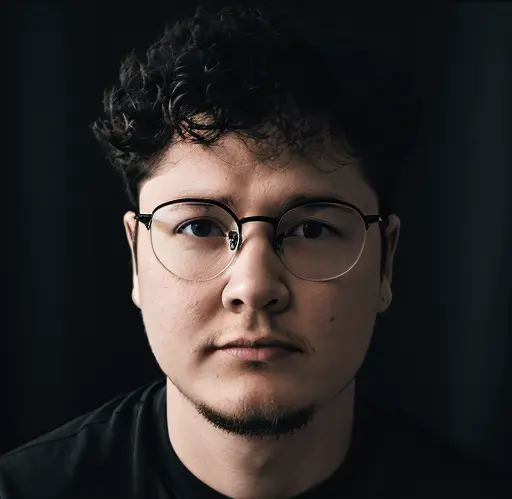
Taylor Rupe
B.A. Psychology | Editor & Researcher
Taylor holds a B.A. in Psychology, giving him a strong foundation in human behavior, motivation, and the science behind personal development. He applies this background to evaluate coaching methodologies, certification standards, and career outcomes — ensuring every article on this site is grounded in evidence rather than industry hype.