
- 1.No license is required to practice life coaching in Florida — life coach certification is voluntary but strongly recommended
- 2.Life coaches in Florida earn an average of $50,708/year, 6% below the national average — but no state income tax boosts take-home pay
- 3.Florida has local ICF-accredited options including Life Purpose Institute in Orlando, plus numerous national online programs
- 4.Top coaching markets: Miami, Tampa, Orlando, Jacksonville, Fort Lauderdale

Professional Life Coach Certification
Foundational coaching certification covering methods, tools, and industry best practices.

Life Purpose Coach Certification
Help clients uncover purpose, align actions with values, and create meaningful lives.

Confidence Coach Certification
Help clients develop unshakable self-trust and overcome self-doubt.

NLP Coach Certification
Leverage NLP techniques to reprogram the subconscious for lasting transformation.
Affiliate link · We may earn a commission at no extra cost to you
Life Coach Training & Certification Overview: Florida
Florida is the third most populous state in the U.S. with over 22 million residents, making it one of the largest coaching markets in the country. The state's steady population growth — driven by domestic migration from high-tax northeastern and western states — brings a constant flow of professionals, entrepreneurs, and retirees who are navigating major life transitions and often receptive to coaching.
The state's economy spans financial services (Miami), technology (Tampa, Orlando), healthcare (statewide), tourism (Orlando, Miami, Southwest FL), and defense (Jacksonville, Pensacola). South Florida (Miami, Fort Lauderdale, West Palm Beach) is an international business hub with strong demand for executive, business, and bilingual coaching. The Tampa Bay area has emerged as a tech and financial services center, while Orlando's hospitality industry creates unique business coaching opportunities.
Florida's lack of state income tax is a major draw for coaches. Combined with a cost of living near the national average (index 102.2), Florida offers a compelling financial picture — particularly for coaches who serve clients nationally via virtual sessions.
$50,708/yr
Avg. Coach Salary
102.2
Cost of Living
vs. 100 national avg
$155
LLC Filing Fee
None
Income Tax
Miami
Top City
Do You Need a Life Coach Certification in Florida?
Florida does not require a license or certification to practice life coaching. No U.S. state currently regulates the profession. However, Florida's large, competitive coaching market means certification is practically essential for credibility. The distinction between life coaching and therapy is important to understand, especially in Florida where mental health licensing is actively enforced.
The International Coaching Federation (ICF) is the gold standard. Florida has one of the largest coaching communities in the country, and ICF credentials help you stand out in this competitive market. Corporate clients in Miami's finance sector and Tampa's tech industry frequently require ICF credentials.
For detailed guidance on choosing the right credential, see our certification comparison guide.
| ICF-ACC | ICF-PCC | ICF-MCC | |
|---|---|---|---|
| Training Hours | 60+ hours | 125+ hours | 200+ hours |
| Coaching Experience | 100+ hours | 500+ hours | 2,500+ hours |
| Typical Cost | $2,000–$6,000 | $5,000–$12,000 | $10,000–$20,000 |
| Timeline | 6–12 months | 1–2 years | 3–5 years |
| Best For | New coaches | Established coaches | Master-level coaches |
Source: ICF Credentialing Requirements 2026
Professional Life Coach Certification
Foundational coaching certification covering methods, tools, and industry best practices.
- Transformational coaching methods
- Client session frameworks
- Business launch resources
Save thousands compared to traditional programs
Affiliate link · We may earn a commission at no extra cost to you
Life Coach Training: Getting Started in Florida
Florida's size and diversity mean you have enormous flexibility in choosing your market and specialization. The key decisions are geographic focus (South Florida's international market vs. Tampa Bay's tech/finance scene vs. Orlando's hospitality/tourism vs. Jacksonville's military/corporate market) and coaching niche. With over 22 million residents, there's room for specialists at every level.
Florida's no-income-tax advantage makes it particularly attractive for coaches building a national virtual practice. You can live in a moderate-cost Florida market while charging rates competitive with coaches in higher-cost states, keeping the full difference as additional profit.
5 Steps to Life Coach Certification in Florida
Choose a Training Program
Florida has local options including Life Purpose Institute in Orlando and UCF's Certified Professional Life Coach program. See our online certification guide.
Complete Your Training
Finish at least 60 hours for ICF-ACC or 125+ hours for ICF-PCC. Most programs take 6–12 months to complete.
Register Your Business in Florida
File an LLC with the Florida Division of Corporations (Sunbiz) ($155 filing fee, $138.75/year annual report).
Get Liability Insurance
Professional liability insurance typically costs $200–$500/year. This is essential in Florida's business environment.
Find Your First Clients
Tap into your local market — whether Miami's international business community, Tampa's tech scene, or Orlando's hospitality sector. LinkedIn, local chambers, and wellness events are effective across the state.
Life Coach Salary and Earning Potential in Florida
Life coaches in Florida earn an average of $50,708/year, according to ZipRecruiter data. This is approximately 6% below the national average of $54,000. However, Florida's lack of state income tax means a Florida coach earning $50,708 takes home more than a coach earning $54,000 in a state with 5-6% income tax.
South Florida's executive coaches (particularly in Miami and Fort Lauderdale) can charge $250–$600 per session, with bilingual Spanish-English coaches commanding premium rates. Tampa and Orlando coaches typically charge $100–$250 per session. Wellness and life-purpose coaching in affluent markets like Naples, Sarasota, and Boca Raton can also command higher rates.
Florida's large retiree population creates a unique market for retirement transition, life-purpose, and health coaching that doesn't exist at the same scale in most other states.
For a comprehensive salary breakdown, see our life coach salary guide.
Source: ZipRecruiter, 2025
Setting Up Your Coaching Business in Florida
Florida is a popular state for forming coaching businesses, thanks to its no-income-tax structure and straightforward LLC formation process. Most life coaches operate as sole proprietors or LLCs.
LLC Formation: File with the Florida Division of Corporations (Sunbiz.org). The filing fee is $155, and the annual report costs $138.75. Florida's online Sunbiz system makes filing quick and straightforward.
Business Insurance: Professional liability (errors and omissions) insurance is strongly recommended. Typical cost: $200–$500/year.
Taxes: Florida has no state income tax, making it one of the most tax-friendly states for self-employed coaches. You'll still need to pay federal income tax and self-employment tax. Florida does have a 6% sales tax, but professional services like coaching are generally exempt.
For step-by-step guidance, see our coaching business startup guide.
| Sole Proprietorship | LLC in Florida | |
|---|---|---|
| Formation Cost | $0–$50 (DBA only) | $155 filing fee |
| Annual Fees | None | $138.75/year annual report |
| Personal Liability | Unlimited personal liability | Limited liability protection |
| Taxes | No state income tax | No state income tax (pass-through) |
| Credibility | Informal | More professional |
| Best For | Testing the waters | Serious coaching practice |
Source: Florida Division of Corporations (Sunbiz), 2026
Traditional ICF Programs
- Cost: $3,000–$15,000
- Duration: 6–12 months
- Schedule: Fixed class times
- Location: In-person or scheduled live
Transformation Academy
- Cost: $197
- Duration: Self-paced
- Schedule: Start anytime
- Location: 100% online
Affiliate link · We may earn a commission at no extra cost to you
Life Coach Training Programs in Florida
Florida has several notable training options. Life Purpose Institute in Orlando offers ICF-accredited Life Coach Certification with both online and 5-day intensive in-person formats. UCF Continuing Education offers a Certified Professional Life Coach program that prepares students for national certification exams.
National programs like iPEC, and Lumia Coaching all serve Florida coaches through online formats. Florida's large coaching community means peer coaching and mentorship are readily available across the state.
For a complete comparison of online options, see our online certification programs guide.
In-Demand Coaching Specializations in Florida
Executive coaching thrives in Miami's international finance and trade community, Tampa's corporate corridor, and Jacksonville's corporate headquarters (CSX, Fidelity National). Business coaching is in high demand across the state, particularly in Orlando's hospitality industry and South Florida's real estate sector. Career coaching serves the constant influx of professionals relocating to Florida from other states.
Health and wellness coaching resonates with Florida's health-conscious retiree population and active lifestyle culture. Life purpose coaching and retirement transition coaching serve the large 55+ population in communities across Southwest Florida, the Space Coast, and the Palm Beaches. Bilingual (Spanish-English) coaching is a significant advantage in South Florida's large Hispanic market.
Explore all coaching specializations to find your niche.
Life Coach Training by City in Florida
Explore coaching markets across Florida
How to Become a Life Coach in Jacksonville, Florida
The largest city by area in the contiguous United States, Jacksonville combines a diversifying economy led by finance, healthcare, and logistics with an affordable cost of living that attracts coaches seeking strong demand without the overhead of South Florida. Major employers including Mayo Clinic, Baptist Health, and JPMorgan Chase drive consistent coaching demand across healthcare leadership and financial services.
Coaching Market
Jacksonville's coaching market benefits from a diversified economy that has evolved well beyond its historic logistics and military base. Healthcare is a dominant demand driver, with Mayo Clinic employing approximately 8,450 people, Baptist Health employing 12,000, and Florida Blue (the Blue Cross Blue Shield affiliate) maintaining roughly 5,700 employees locally. This healthcare concentration generates strong demand for physician coaching, healthcare leadership development, nurse manager coaching, and burnout prevention services.
Financial services represent the second major pillar. JPMorgan Chase, Bank of America, and Fidelity Investments all maintain significant Jacksonville operations, creating demand for executive coaching, performance coaching, and career development among banking and financial professionals. Deutsche Bank and other financial firms add to the corporate client pool.
The military and logistics sectors maintain historical significance. Naval Station Mayport and Naval Air Station Jacksonville create demand for military transition coaching and family resilience services. CSX Corporation, headquartered here, and Crowley Maritime anchor the logistics and transportation sector, with the Port of Jacksonville (JAXPORT) supporting thousands of additional jobs.
Coaches in Jacksonville serve the broader First Coast region, including St. Augustine, Orange Park, Ponte Vedra Beach, Fernandina Beach, and Palm Coast. The ICF North Florida Chapter, formerly known as the First Coast Coaches Association, specifically covers the northern Florida territory including Duval, Clay, St. Johns, and Nassau counties, extending through Gainesville, Tallahassee, and the Florida Panhandle.
Jacksonville's affordability compared to South Florida makes it increasingly attractive for professionals relocating from higher-cost markets, creating a growing population of career-focused individuals who invest in coaching. Session rates typically range from $100 to $300, with healthcare executive coaching and financial services coaching at the premium end.
Training Programs
- Co-Active Training Institute — ICF Level 2 accredited
- iPEC — ICF-accredited, online format
- Lumia Coaching — ICF-accredited training
- Erickson Coaching International — ICF-accredited
- Institute for Coaching Innovation — Innovation-focused training
Jacksonville coaches access training primarily through online ICF-accredited programs and regional chapter resources. iPEC, which has maintained ICF accreditation for over 20 years, offers online and in-person formats well-suited for Jacksonville's corporate professional market. Co-Active Training Institute, Erickson Coaching International, Coach Training Alliance, and Lumia Coaching all serve Jacksonville practitioners through virtual platforms.
The Institute for Coaching Innovation offers ICF-accredited training that emphasizes cultural awareness and leadership skills, resonating with Jacksonville's diverse military and corporate community. Their Transformational Coach Pathway programs are transitioning with updated names in 2026, reflecting evolving coaching methodologies.
Local educational institutions provide complementary training. The University of North Florida and Jacksonville University offer professional development programs in leadership, organizational behavior, and human resources that supplement coaching credentials. These programs are not ICF-accredited coaching certifications but provide valuable knowledge for coaches serving the corporate and healthcare markets.
The ICF North Florida Chapter provides continuing education and professional development for Jacksonville-area coaches. As one of the longest-standing charter chapters in the global ICF network, the chapter offers workshops, mentoring, and events that earn Continuing Coach Education credits. The chapter's coverage of everywhere north of Orlando gives Jacksonville coaches access to a broad geographic network of peers and resources.
For coaches specializing in healthcare, programs like the Center for Creative Leadership and specialized physician coaching certifications available online complement ICF credentials and strengthen marketability in Jacksonville's healthcare-heavy market. Coaches in St. Augustine, Orange Park, and Ponte Vedra Beach access the same training ecosystem, with Jacksonville serving as the regional hub.
Networking & Community
- ICF North Florida Chapter — Professional coaching network
- Jacksonville Chamber of Commerce — Business networking
The ICF North Florida Chapter is the primary professional coaching organization for Jacksonville-area practitioners. Formerly known as the First Coast Coaches Association, it is one of the longest-standing charter chapters worldwide, covering membership areas north of Orlando including Duval, Clay, St. Johns, and Nassau counties, as well as Gainesville, Tallahassee, and the Florida Panhandle. The chapter provides regular networking events, professional development programming, and mentoring connections.
The JAX Chamber (Jacksonville Chamber of Commerce) is the region's primary business networking organization, offering events, committees, and referral networks that connect coaches with business leaders across the First Coast. The chamber's workforce development initiatives create natural touchpoints for career and organizational coaching practitioners.
Healthcare networking is particularly strong given the sector's dominance. The Northeast Florida Medical Society, hospital-based leadership development programs at Mayo Clinic and Baptist Health, and healthcare professional associations provide specialized access to the physician and healthcare executive coaching market. The Jacksonville Healthcare Human Resources Association connects coaches with HR decision-makers who commission coaching engagements.
The financial services community provides its own networking ecosystem through organizations like the Jacksonville Financial Services Association and local chapters of the Financial Planning Association. Military community networking through Naval Station Mayport and NAS Jacksonville support organizations connects coaches with service members and families.
Coaches in Jacksonville network across the First Coast region, connecting with professionals in St. Augustine, Orange Park, Ponte Vedra Beach, Fleming Island, and Fernandina Beach. The Ponte Vedra area, home to TPC Sawgrass and associated hospitality and golf industries, provides high-end networking in affluent communities. Jacksonville's sprawling geography means neighborhood-based networking can be valuable, with distinct professional communities in Downtown, Riverside/Avondale, San Marco, Southside, and the Beaches areas.
Business Considerations
Office Rent
$45–$65/sq ft
Coworking
$150–$400/mo
Florida's business-friendly environment is a significant advantage for coaching practices. LLC formation requires a $155 filing fee with a $139 annual report requirement. Critically, Florida has no state income tax, meaning coaches keep a larger share of their earnings compared to most other states. This no-income-tax advantage is a primary reason many coaches choose to base their practices in Florida.
Office space in Jacksonville is among the most affordable of Florida's major cities. Average commercial rents range from approximately $18 to $28 per square foot annually, with Class A space in downtown and Southside commanding the higher end. A coaching office of 150-200 square feet can be secured for approximately $225 to $450 per month, making dedicated office space accessible for most practitioners.
Coworking spaces provide flexible alternatives throughout the city. Regus maintains multiple Jacksonville locations, and local coworking spaces including CoWork Jax and various shared office environments offer memberships ranging from approximately $150 to $400 per month for open desk access and $500 to $1,000 for private offices. The city's sprawling geography means coworking options are distributed across multiple neighborhoods.
Jacksonville's overall cost of living is notably lower than South Florida markets. Compared to Miami, where office space averages $45 to $65 per square foot, Jacksonville's rates are roughly 50-60% lower. Tampa and Orlando fall between Jacksonville and South Florida pricing. This cost advantage allows Jacksonville coaches to achieve stronger profit margins on sessions priced at the market's typical $100-$300 range.
For coaches building regional practices, Jacksonville's central First Coast location provides efficient access to clients in St. Augustine, Orange Park, Ponte Vedra Beach, and other surrounding communities. The city's growing population (consistently ranked among America's fastest-growing large cities) suggests strengthening demand over time. Many Jacksonville coaches combine local in-person sessions with virtual coaching for clients across Florida and beyond, leveraging the state's no-income-tax advantage and the city's affordable overhead to build financially sustainable practices.
Life Coach Training Locations in Florida
How to Become a Life Coach in Jacksonville, Florida
The largest city by area in the contiguous United States, Jacksonville combines a diversifying economy led by finance, healthcare, and logistics with an affordable cost of living that attracts coaches seeking strong demand without the overhead of South Florida. Major employers including Mayo Clinic, Baptist Health, and JPMorgan Chase drive consistent coaching demand across healthcare leadership and financial services.
Coaching Market — Jacksonville, Florida
Jacksonville's coaching market benefits from a diversified economy that has evolved well beyond its historic logistics and military base. Healthcare is a dominant demand driver, with Mayo Clinic employing approximately 8,450 people, Baptist Health employing 12,000, and Florida Blue (the Blue Cross Blue Shield affiliate) maintaining roughly 5,700 employees locally. This healthcare concentration generates strong demand for physician coaching, healthcare leadership development, nurse manager coaching, and burnout prevention services. Financial services represent the second major pillar. JPMorgan Chase, Bank of America, and Fidelity Investments all maintain significant Jacksonville operations, creating demand for executive coaching, performance coaching, and career development among banking and financial professionals. Deutsche Bank and other financial firms add to the corporate client pool. The military and logistics sectors maintain historical significance. Naval Station Mayport and Naval Air Station Jacksonville create demand for military transition coaching and family resilience services. CSX Corporation, headquartered here, and Crowley Maritime anchor the logistics and transportation sector, with the Port of Jacksonville (JAXPORT) supporting thousands of additional jobs. Coaches in Jacksonville serve the broader First Coast region, including St. Augustine, Orange Park, Ponte Vedra Beach, Fernandina Beach, and Palm Coast. The <a href="https://icfnorthflorida.org/" rel="noopener" target="_blank">ICF North Florida Chapter</a>, formerly known as the First Coast Coaches Association, specifically covers the northern Florida territory including Duval, Clay, St. Johns, and Nassau counties, extending through Gainesville, Tallahassee, and the Florida Panhandle. Jacksonville's affordability compared to South Florida makes it increasingly attractive for professionals relocating from higher-cost markets, creating a growing population of career-focused individuals who invest in coaching. Session rates typically range from $100 to $300, with healthcare executive coaching and financial services coaching at the premium end.
Training Programs — Jacksonville, Florida
Jacksonville coaches access training primarily through online ICF-accredited programs and regional chapter resources. iPEC, which has maintained ICF accreditation for over 20 years, offers online and in-person formats well-suited for Jacksonville's corporate professional market. <a href="https://coactive.com/" rel="noopener" target="_blank">Co-Active Training Institute</a>, <a href="https://www.erickson.edu/" rel="noopener" target="_blank">Erickson Coaching International</a>, <a href="https://www.coachtrainingalliance.com/" rel="noopener" target="_blank">Coach Training Alliance</a>, and Lumia Coaching all serve Jacksonville practitioners through virtual platforms. The <a href="https://coachinginnovation.co/" rel="noopener" target="_blank">Institute for Coaching Innovation</a> offers ICF-accredited training that emphasizes cultural awareness and leadership skills, resonating with Jacksonville's diverse military and corporate community. Their Transformational Coach Pathway programs are transitioning with updated names in 2026, reflecting evolving coaching methodologies. Local educational institutions provide complementary training. The University of North Florida and Jacksonville University offer professional development programs in leadership, organizational behavior, and human resources that supplement coaching credentials. These programs are not ICF-accredited coaching certifications but provide valuable knowledge for coaches serving the corporate and healthcare markets. The ICF North Florida Chapter provides continuing education and professional development for Jacksonville-area coaches. As one of the longest-standing charter chapters in the global ICF network, the chapter offers workshops, mentoring, and events that earn Continuing Coach Education credits. The chapter's coverage of everywhere north of Orlando gives Jacksonville coaches access to a broad geographic network of peers and resources. For coaches specializing in healthcare, programs like the Center for Creative Leadership and specialized physician coaching certifications available online complement ICF credentials and strengthen marketability in Jacksonville's healthcare-heavy market. Coaches in St. Augustine, Orange Park, and Ponte Vedra Beach access the same training ecosystem, with Jacksonville serving as the regional hub.
Networking & Community — Jacksonville, Florida
The ICF North Florida Chapter is the primary professional coaching organization for Jacksonville-area practitioners. Formerly known as the First Coast Coaches Association, it is one of the longest-standing charter chapters worldwide, covering membership areas north of Orlando including Duval, Clay, St. Johns, and Nassau counties, as well as Gainesville, Tallahassee, and the Florida Panhandle. The chapter provides regular networking events, professional development programming, and mentoring connections. The JAX Chamber (Jacksonville Chamber of Commerce) is the region's primary business networking organization, offering events, committees, and referral networks that connect coaches with business leaders across the First Coast. The chamber's workforce development initiatives create natural touchpoints for career and organizational coaching practitioners. Healthcare networking is particularly strong given the sector's dominance. The Northeast Florida Medical Society, hospital-based leadership development programs at Mayo Clinic and Baptist Health, and healthcare professional associations provide specialized access to the physician and healthcare executive coaching market. The Jacksonville Healthcare Human Resources Association connects coaches with HR decision-makers who commission coaching engagements. The financial services community provides its own networking ecosystem through organizations like the Jacksonville Financial Services Association and local chapters of the Financial Planning Association. Military community networking through Naval Station Mayport and NAS Jacksonville support organizations connects coaches with service members and families. Coaches in Jacksonville network across the First Coast region, connecting with professionals in St. Augustine, Orange Park, Ponte Vedra Beach, Fleming Island, and Fernandina Beach. The Ponte Vedra area, home to TPC Sawgrass and associated hospitality and golf industries, provides high-end networking in affluent communities. Jacksonville's sprawling geography means neighborhood-based networking can be valuable, with distinct professional communities in Downtown, Riverside/Avondale, San Marco, Southside, and the Beaches areas.
Business Considerations — Jacksonville, Florida
Florida's business-friendly environment is a significant advantage for coaching practices. LLC formation requires a $155 filing fee with a $139 annual report requirement. Critically, Florida has no state income tax, meaning coaches keep a larger share of their earnings compared to most other states. This no-income-tax advantage is a primary reason many coaches choose to base their practices in Florida. Office space in Jacksonville is among the most affordable of Florida's major cities. Average commercial rents range from approximately $18 to $28 per square foot annually, with Class A space in downtown and Southside commanding the higher end. A coaching office of 150-200 square feet can be secured for approximately $225 to $450 per month, making dedicated office space accessible for most practitioners. Coworking spaces provide flexible alternatives throughout the city. Regus maintains multiple Jacksonville locations, and local coworking spaces including CoWork Jax and various shared office environments offer memberships ranging from approximately $150 to $400 per month for open desk access and $500 to $1,000 for private offices. The city's sprawling geography means coworking options are distributed across multiple neighborhoods. Jacksonville's overall cost of living is notably lower than South Florida markets. Compared to Miami, where office space averages $45 to $65 per square foot, Jacksonville's rates are roughly 50-60% lower. Tampa and Orlando fall between Jacksonville and South Florida pricing. This cost advantage allows Jacksonville coaches to achieve stronger profit margins on sessions priced at the market's typical $100-$300 range. For coaches building regional practices, Jacksonville's central First Coast location provides efficient access to clients in St. Augustine, Orange Park, Ponte Vedra Beach, and other surrounding communities. The city's growing population (consistently ranked among America's fastest-growing large cities) suggests strengthening demand over time. Many Jacksonville coaches combine local in-person sessions with virtual coaching for clients across Florida and beyond, leveraging the state's no-income-tax advantage and the city's affordable overhead to build financially sustainable practices.
How to Become a Life Coach in Miami, Florida
Miami's position as a global gateway to Latin America, combined with its booming tech ecosystem, luxury real estate market, and wellness culture, creates one of the most dynamic coaching markets in the Southeast. The city's international business community, creative industries, and high-net-worth population drive premium demand for executive, entrepreneurial, and bilingual coaching services.
Coaching Market — Miami, Florida
Miami's coaching market is among the fastest-growing in the United States, with the South Atlantic region (including Miami, Atlanta, and Charlotte) leading the national life coaching market at $359.1 million in revenue in 2024. The city's role as a gateway to Latin America and the Caribbean attracts multinational corporations, international entrepreneurs, and executives who seek coaching for cross-cultural leadership, business expansion, and work-life balance in high-pressure environments. The technology sector has transformed Miami's coaching landscape. The post-pandemic tech migration brought companies and venture capital from Silicon Valley and New York, creating a new class of startup founders, tech executives, and remote workers who invest heavily in coaching. The Wynwood and Brickell neighborhoods have emerged as tech and innovation hubs, generating demand for founder coaching, performance coaching, and career acceleration services. Miami's wellness and luxury sectors drive significant life coaching demand. The city's world-renowned arts and culture scene, including Art Basel Miami Beach, the fashion and design industries, and luxury hospitality, attracts creatives and high-net-worth individuals who seek coaching for personal development, creative fulfillment, and life transitions. 10X Health System, a pioneering health and wellness company, exemplifies the city's integration of coaching and wellness services. The healthcare sector adds institutional demand, with the University of Miami Health System, Baptist Health South Florida, and Jackson Memorial Hospital employing thousands of medical professionals. Bilingual coaching (English-Spanish) is a significant differentiator in Miami, given the city's large Hispanic population. Coaches in Miami serve the broader South Florida market, including Fort Lauderdale, Coral Gables, Boca Raton, Hialeah, Homestead, and Key Biscayne. The <a href="https://icfsouthflorida.org/" rel="noopener" target="_blank">ICF South Florida Charter Chapter</a> covers Palm Beach, Broward, Miami-Dade, Monroe, Collier, and Lee counties, reflecting the interconnected nature of the South Florida coaching market.
Training Programs — Miami, Florida
Miami coaches access training through a combination of national online programs and Florida-based resources. iPEC offers both online and in-person ICF-accredited training that appeals to Miami's diverse professional community. Co-Active Training Institute, Erickson Coaching International, and Lumia Coaching all serve Miami practitioners through virtual formats. The Life Purpose Institute specifically markets Miami Life Coach Training, offering certification programs that combine coaching methodology with business development skills relevant to building a practice in the competitive South Florida market. The University of Miami, Florida International University, and Miami Dade College offer professional development programs in leadership, organizational behavior, and human resources that complement coaching credentials. While these are not ICF-accredited coaching programs, they provide academic foundations and local credibility that many Miami coaches value. The ICF South Florida Charter Chapter provides continuing education and professional development for Miami-area coaches. The chapter offers workshops, networking events, and programming that earn Continuing Coach Education credits, helping coaches maintain and advance their ICF credentials. For coaches targeting the bilingual market, training programs that incorporate multicultural coaching competencies are particularly valuable. The Institute for Coaching Innovation emphasizes cultural awareness and leadership tools in their ICF-accredited training, which resonates with Miami's diverse population. Coaches in Fort Lauderdale, Coral Gables, Boca Raton, and Hialeah access the same training ecosystem, with Miami functioning as the regional hub for in-person events and workshops.
Networking & Community — Miami, Florida
The ICF South Florida Charter Chapter is the primary professional coaching organization for Miami-area practitioners. The chapter, a nonprofit affiliated with ICF Global, covers Palm Beach, Broward, Miami-Dade, Monroe, Collier, and Lee counties. This broad coverage area connects Miami coaches with the entire South Florida coaching community, providing networking events, professional development, and peer mentoring opportunities. The Greater Miami Chamber of Commerce, one of the largest chambers in the Southeast, connects coaches with the city's diverse business community. The Miami-Dade Beacon Council, the county's economic development partnership, provides networking with corporate decision-makers and business leaders. The Brickell area hosts numerous professional networking events through coworking spaces, business associations, and tech community organizations. Miami's tech community provides distinctive networking channels. Miami Tech Month, Emerge Americas (a leading tech conference connecting the Americas), and events at organizations like The LAB Miami in Wynwood create concentrated networking for coaches serving the startup and technology markets. The Knight Foundation's investment in Miami's innovation ecosystem has fostered numerous community-building events that coaches can leverage. The Hispanic business community provides specialized networking through organizations like the Latin Chamber of Commerce (CAMACOL), the Hispanic Business Initiative Fund, and the Cuban American National Council. For bilingual coaches, these networks provide direct access to a large and underserved coaching market. Coaches in Miami network across the broader South Florida corridor, including Fort Lauderdale, Coral Gables, Boca Raton, Key Biscayne, and Aventura. The region's luxury hotel and hospitality community, art world networks, and private club memberships (including the Soho Beach House and various yacht clubs) provide high-end networking for coaches targeting affluent and corporate clients. South Florida's international community connections, particularly with Latin American and Caribbean business networks, give Miami coaches access to cross-border coaching opportunities.
Business Considerations — Miami, Florida
Florida's LLC formation requires a $155 filing fee with a $139 annual report, and the state imposes no income tax on individuals. This no-income-tax advantage is particularly significant for coaches earning higher rates in the Miami market, as it effectively provides a 5-10% income advantage compared to coaches in states with income taxes. Office space in Miami commands premium rates reflecting the city's status as a major international business center. Average office rent was approximately $61.76 per square foot in 2024, with Class A space averaging around $62 per square foot and Class B space at roughly $66 per square foot (reflecting high demand for renovated mid-tier buildings). Class C space offers more affordable options at approximately $25 per square foot. Prime areas including Brickell, Downtown, and Wynwood command the highest rates. Coworking spaces provide more accessible entry points. Hot desks range from $200 to $350 per month, dedicated desks from $350 to $550 monthly, and private offices from $650 to $1,500 or more depending on location. The LAB Miami in Wynwood offers desks from $350 per month with offices from $1,500. Regus locations in Brickell and Downtown offer desks from $259 to $729 per month. Compared to other Florida coaching markets, Miami is the most expensive for office space. Jacksonville and Tampa offer rates roughly 50-60% lower, and Orlando falls between these extremes. However, Miami's premium rates are balanced by the ability to charge premium coaching fees, with executive coaching rates typically ranging from $250 to $600 per session and corporate engagements commanding $3,000 to $10,000 per month. Fort Lauderdale, just 30 miles north, offers moderately lower commercial rents while remaining accessible to Miami clients. Many coaches who target the South Florida market choose to base their physical presence in Fort Lauderdale or Coral Gables while maintaining a virtual presence in Miami. The city's strong demand for bilingual coaching and its position as a Latin American business gateway create pricing power for coaches with relevant specializations. For cost-conscious coaches, virtual-first practices with occasional coworking space use can keep monthly fixed costs below $500 while serving the premium Miami market.
How to Become a Life Coach in Tampa, Florida
Tampa has emerged as one of Florida's strongest coaching markets, fueled by a financial services sector that has earned it the nickname 'Wall Street of the South,' the second-largest manufacturing base in the state, and a rapidly growing life sciences corridor anchored by Tampa General Hospital. The city's blend of corporate density and relative affordability creates strong unit economics for coaching practices.
Coaching Market — Tampa, Florida
Tampa's coaching market is driven by a diversified economy with particular strength in financial services, healthcare, and manufacturing. The city's designation as the 'Wall Street of the South' reflects its concentration of banking institutions, investment firms, and corporate headquarters. This financial services hub generates consistent demand for executive coaching, leadership development, and performance coaching among financial professionals. Healthcare is a major demand driver, with the Tampa Medical and Research District, anchored by Tampa General Hospital, employing thousands of medical professionals. More than 20% of Florida's life sciences sector employees reside in the Tampa Bay area, creating substantial demand for physician coaching, healthcare leadership development, and burnout prevention services. Moffitt Cancer Center, one of only 57 National Cancer Institute-designated Comprehensive Cancer Centers, adds research-oriented coaching demand. The manufacturing sector is unexpectedly strong, with Tampa Bay hosting the state's second-largest manufacturing base, featuring over 3,500 manufacturers employing more than 68,000 workers in aviation, aerospace, boat building, and medical devices. These industrial employers generate demand for leadership coaching among managers and executives navigating complex operational environments. The University of South Florida, with approximately 16,280 employees, and the Pinellas County Schools, with over 13,071 employees, add education-sector coaching demand. MacDill Air Force Base, home to U.S. Central Command and U.S. Special Operations Command, creates military coaching opportunities similar to those in Jacksonville. Coaches in Tampa serve the broader Tampa Bay region, including St. Petersburg, Clearwater, Brandon, Wesley Chapel, and Lakeland. The <a href="https://www.icf-cf.com/" rel="noopener" target="_blank">ICF Central Florida Chapter</a> serves the greater Tampa, Sarasota, Lakeland, and Orlando areas, connecting Tampa coaches with a large regional network. The metro area's continued population growth from domestic migration drives increasing coaching demand.
Training Programs — Tampa, Florida
Tampa coaches access training through a combination of online ICF-accredited programs and regional chapter resources. iPEC, Co-Active Training Institute, Erickson Coaching International, Coach Training Alliance, and Lumia Coaching all serve Tampa practitioners through virtual platforms. The <a href="https://www.coachcert.com/" rel="noopener" target="_blank">Center for Coaching Certification</a> offers accredited training across multiple specialties relevant to Tampa's market, including Business, Executive, and Leadership Coaching. The University of South Florida offers professional development programs through its Muma College of Business that complement coaching credentials, including leadership development, organizational behavior, and executive education programs. While not ICF-accredited coaching certifications, these programs provide academic foundations and local credibility. The ICF Central Florida Chapter provides continuing education and professional development for Tampa-area coaches. The chapter, a charter chapter of ICF Global committed to advancing the coaching profession throughout Central Florida, covers the greater Tampa, Sarasota, Lakeland, and Orlando areas. Programming includes workshops, networking events, and opportunities to earn Continuing Coach Education credits. For coaches specializing in healthcare, specialized programs including physician coaching certifications and healthcare leadership coaching programs complement ICF credentials and strengthen marketability in Tampa's healthcare-heavy market. The concentration of military leadership at MacDill Air Force Base creates demand for coaches with military-specific training, including understanding of command structures and deployment dynamics. Coaches in St. Petersburg, Clearwater, Brandon, and Wesley Chapel access the same training ecosystem, with Tampa functioning as the regional hub. The Tampa Bay area's strong coworking and professional development event ecosystem provides additional learning opportunities through workshops, speaker series, and peer learning groups.
Networking & Community — Tampa, Florida
The ICF Central Florida Chapter is the primary professional coaching organization for Tampa-area practitioners. The chapter serves the greater Tampa, Sarasota, Lakeland, and Orlando areas, connecting Tampa coaches with a broad regional network of peers and resources. Regular chapter events provide networking, professional development, and mentoring connections. The Greater Tampa Chamber of Commerce and the Tampa Bay Partnership connect coaches with the region's business community. The chamber's committees and events provide visibility among corporate decision-makers who commission coaching engagements. The Tampa Bay Economic Development Council provides access to business leaders and HR professionals across the region. The financial services networking community is particularly valuable for Tampa coaches. Organizations like the Tampa Bay Financial Group, the Financial Planning Association of Tampa Bay, and banking industry associations provide access to the 'Wall Street of the South' professional community. The Tampa Bay Technology Forum connects coaches with the growing tech sector. Healthcare networking through the Tampa Bay Healthcare Collaborative, hospital-based leadership programs at Tampa General Hospital and Moffitt Cancer Center, and medical professional associations provides specialized access to the physician and healthcare executive coaching market. Military community networking through MacDill Air Force Base support organizations connects coaches with senior military leaders and their families. Given that MacDill hosts two major combatant commands, the concentration of flag officers and senior civilians creates a high-level military coaching market. Coaches in Tampa network across the broader Tampa Bay region, connecting with professionals in St. Petersburg, Clearwater, Brandon, Wesley Chapel, Sarasota, and Lakeland. The Sarasota market, with its concentration of retirees, financial advisors, and healthcare professionals, provides a complementary client base accessible from Tampa. The annual Tampa Bay startup and innovation events create additional networking for coaches serving the entrepreneurial community.
Business Considerations — Tampa, Florida
Florida's no-income-tax advantage applies to all Tampa coaching practices, combining with the state's $155 LLC filing fee and $139 annual report to create a favorable business environment. This tax advantage is particularly meaningful for coaches earning $60,000-$150,000 annually, where the absence of state income tax represents $3,000-$7,500 in annual savings compared to states with 5-6% income tax rates. Office space in Tampa offers a strong balance between quality and affordability. Average commercial rents range from approximately $22 to $35 per square foot annually, significantly below Miami's rates. Downtown Tampa and Westshore command the higher end, while South Tampa, Brandon, and Wesley Chapel offer moderate pricing. A coaching office of 150-200 square feet can be secured for approximately $275 to $580 per month. Coworking spaces are well-distributed across the Tampa Bay area. Station House in downtown St. Petersburg, Tampa Bay Wave, and various Regus and WeWork locations provide flexible options. Memberships typically range from $150 to $350 per month for hot desks, $300 to $500 for dedicated desks, and $600 to $1,500 for private offices. The Hyde Park and SoHo neighborhoods offer boutique coworking options in walkable settings. Compared to Miami, Tampa offers roughly 40-50% lower office space costs while maintaining access to a strong corporate client base. Compared to Jacksonville, Tampa's rates are moderately higher but the city offers a larger and more diverse corporate market. St. Petersburg, just across the bay, often provides slightly lower commercial rents with excellent quality of life amenities. Coaching rates in Tampa typically range from $125 to $350 per session for individual clients, with corporate and executive coaching commanding $250 to $500 per session. The combination of these rates with Tampa's moderate overhead creates strong unit economics. Many Tampa coaches describe the market as offering 'Miami-level demand at a fraction of the cost,' making it an increasingly popular base for coaching practices that serve clients across Florida and nationally through virtual sessions.
How to Become a Life Coach in Orlando, Florida
Beyond its world-famous theme parks, Orlando has developed a diversified economy powered by modeling and simulation technology, a massive hospitality workforce, and a growing healthcare sector anchored by AdventHealth and Orlando Health. The city's young, dynamic population and constant influx of professionals create sustained demand for career coaching, leadership development, and entrepreneurial coaching.
Coaching Market — Orlando, Florida
Orlando's coaching market extends well beyond the tourism and theme park industry that defines its global brand. The modeling, simulation, and training (MS&T) sector is a major but less visible economic driver, with Orlando hosting the world's largest concentration of simulation companies and military training programs. Companies like Lockheed Martin, Northrop Grumman, and L3Harris Technologies maintain significant simulation and training operations here, creating demand for leadership coaching and career development among technical professionals. The hospitality industry remains enormous, with Walt Disney World, Universal Orlando Resort, SeaWorld, and thousands of hotels and restaurants employing hundreds of thousands of workers. This creates demand at two levels: leadership coaching for hospitality executives and managers, and career coaching for workers seeking advancement within or transition out of the hospitality sector. Healthcare is a growing market driver, with AdventHealth (formerly Florida Hospital) and Orlando Health operating major hospital systems. The University of Central Florida, one of the largest universities in the nation by enrollment (approximately 70,000 students), adds demand for academic coaching, student success coaching, and faculty leadership development. The UCF research park and innovation corridor contribute tech startup coaching demand. Coaches in Orlando serve the broader Central Florida region, including Kissimmee, Winter Park, Sanford, Altamonte Springs, Lake Mary, and Daytona Beach. The ICF Central Florida Chapter serves the greater Orlando area alongside Tampa, Sarasota, and Lakeland, providing a broad regional network. Winter Park, an affluent suburb just north of downtown Orlando, hosts a concentration of professional services firms and high-income residents who represent a premium coaching client segment. Orlando's cost of living, while rising, remains below South Florida levels, creating favorable economics for coaching practices. The city's diversity, with large Hispanic and international communities, creates demand for bilingual and cross-cultural coaching services.
Training Programs — Orlando, Florida
Orlando coaches access training primarily through online ICF-accredited programs and the ICF Central Florida Chapter. iPEC, Co-Active Training Institute, Erickson Coaching International, Coach Training Alliance, and Lumia Coaching all serve Orlando practitioners through virtual formats. The Center for Coaching Certification offers accredited training across multiple specialties relevant to Orlando's diverse market. The University of Central Florida offers professional development through its College of Business and continuing education programs. While UCF does not currently offer a dedicated ICF-accredited coaching program, its leadership, organizational behavior, and management training complement coaching credentials and provide local academic credibility. Rollins College in nearby Winter Park, known for its Crummer Graduate School of Business, offers executive education and leadership development programs that align with coaching practice. The school's emphasis on experiential learning and small-group instruction resonates with coaching methodology. The ICF Central Florida Chapter provides continuing education and professional development for Orlando-area coaches. The chapter's coverage of the greater Tampa, Sarasota, Lakeland, and Orlando areas creates a broad network of peers and resources. Programming includes workshops, networking events, and opportunities to earn Continuing Coach Education credits. For coaches specializing in simulation, defense, and technology sectors, specialized training in executive coaching and leadership development from institutions like the Center for Creative Leadership provides targeted skill development. Coaches serving the hospitality industry benefit from training in career transition coaching and organizational coaching methodologies. Coaches in Kissimmee, Winter Park, Sanford, and Lake Mary access the same training ecosystem, with Orlando serving as the regional hub for in-person events and professional development.
Networking & Community — Orlando, Florida
The ICF Central Florida Chapter is the primary professional coaching organization for Orlando-area practitioners, serving the greater Orlando, Tampa, Sarasota, and Lakeland areas. The chapter's broad geographic coverage creates a large regional network, with events typically rotating between the Tampa Bay and Orlando areas. The Orlando Regional Chamber of Commerce (now Greater Orlando Chamber of Commerce) connects coaches with the city's business community through events, committees, and industry-specific programming. The Orlando Economic Partnership provides access to business leaders, economic development initiatives, and the corporate community. The National Center for Simulation provides specialized networking for coaches serving the modeling, simulation, and training sector. The annual Interservice/Industry Training, Simulation and Education Conference (I/ITSEC), held in Orlando, is one of the world's largest defense simulation events, providing concentrated networking with defense and simulation industry leaders. The hospitality industry's professional organizations, including the Central Florida Hotel and Lodging Association and Florida Restaurant and Lodging Association (headquartered in Tallahassee but with strong Orlando presence), connect coaches with hospitality executives. Disney, Universal, and other major employers maintain their own professional development communities that can serve as referral sources for coaches. The Winter Park Chamber of Commerce and the Lake Mary/Heathrow area business community provide premium networking in affluent suburban markets. The Orlando tech community, growing through UCF's partnership with the innovation corridor and incubators like StarterStudio, provides networking for coaches serving startup founders. Coaches in Orlando network across Central Florida, connecting with professionals in Kissimmee, Winter Park, Sanford, Altamonte Springs, and Lake Mary. The region's convention and events infrastructure means Orlando hosts numerous national conferences throughout the year, providing periodic networking with visiting professionals from across the country.
Business Considerations — Orlando, Florida
Florida's favorable business environment applies to Orlando coaching practices: $155 LLC filing fee, $139 annual report, and no state income tax. The no-income-tax advantage combined with Orlando's moderate cost of living makes the city attractive for coaches seeking strong market potential with manageable overhead. Office space in Orlando is moderately priced by Florida standards. Average commercial rents range from approximately $22 to $32 per square foot annually, with downtown Orlando and the Sand Lake Road/International Drive corridor commanding higher rates. Winter Park and Lake Mary offer premium suburban office options. A coaching office of 150-200 square feet can be secured for approximately $275 to $530 per month. Coworking spaces are well-represented across the metro area. Regus and WeWork maintain multiple Orlando locations, while local options like Credo Conduit, Catalyst Spaces, and various independent coworking facilities provide community-oriented alternatives. Memberships typically range from $150 to $300 per month for hot desks and $500 to $1,200 for private offices. Compared to Miami, Orlando offers office space at roughly 40-50% lower cost. Compared to Tampa, rates are broadly comparable, with Orlando slightly lower in some areas. Jacksonville offers the lowest rates among Florida's major coaching markets, but Orlando's larger and more diverse economy provides a stronger client base. Coaching rates in Orlando typically range from $100 to $300 per session, with simulation/defense industry executive coaching and Winter Park-based practices commanding premium rates at the higher end. The city's strong convention and tourism infrastructure provides an unusual advantage: coaches can attract out-of-town clients who visit Orlando for conferences and develop virtual coaching relationships that extend beyond the initial in-person meeting. Many Orlando coaches leverage the city's name recognition and favorable business environment to build national virtual practices, using the no-income-tax advantage and moderate costs as a foundation for serving clients across the country while maintaining a professional Central Florida base.
How to Become a Life Coach in Fort Lauderdale, Florida
Situated between Miami and Palm Beach, Fort Lauderdale combines a growing technology sector, a world-class marine industry, and the headquarters of Fortune 500 companies like AutoNation. The city's position in the tri-county South Florida market gives coaches access to premium clients while operating at costs significantly below Miami's premium rates.
Coaching Market — Fort Lauderdale, Florida
Fort Lauderdale's coaching market benefits from its strategic position within the South Florida tri-county corridor (Miami-Dade, Broward, and Palm Beach counties). The city's economy has diversified significantly from its tourism roots, with technology now employing approximately 9,500 people and growing. Professional, scientific, and technical services employ another 9,500, creating a substantial knowledge-worker population that invests in coaching. Financial services and corporate headquarters drive executive coaching demand. AutoNation, a Fortune 500 company headquartered in Fort Lauderdale, is one of the region's most notable employers. Kaplan, with approximately 12,000 team members, and Citrix Systems (now part of Cloud Software Group), with about 1,700 local employees, add significant corporate presence. The Greater Fort Lauderdale Alliance promotes the region's target industries including financial services, aerospace, global logistics, marine industries, manufacturing, life sciences, and technology. The marine industry is a distinctive Fort Lauderdale niche. The city is a major manufacturing and maintenance center for yachts, and its canal system and proximity to the Bahamas and Caribbean make it a popular yachting destination. This creates a specialized coaching market among marine industry executives, yacht crew leaders, and luxury service professionals. Healthcare employs approximately 10,000 people locally, with Broward County hosting one of the ten largest public health systems in the country. Embraer Aircraft Holding, with around 10,000 employees, and the Broward County Public Schools system add to the employer base. Coaches in Fort Lauderdale serve clients across Broward County, including Pompano Beach, Plantation, Davie, Sunrise, Weston, and Coral Springs. The ICF South Florida Charter Chapter covers Palm Beach, Broward, Miami-Dade, Monroe, Collier, and Lee counties, meaning Fort Lauderdale coaches are part of the same professional network as their Miami and Palm Beach counterparts. The city's job market is growing at approximately 2% per year, with future job growth projected at about 38% over the next decade.
Training Programs — Fort Lauderdale, Florida
Fort Lauderdale coaches access training through the same national online programs and regional resources available throughout South Florida. iPEC, Co-Active Training Institute, Erickson Coaching International, Coach Training Alliance, and Lumia Coaching all serve Broward County practitioners through virtual platforms. Nova Southeastern University, one of the largest private universities in the Southeast and headquartered in nearby Davie, offers graduate programs in organizational leadership, conflict resolution, and psychology that complement coaching credentials. While not an ICF-accredited coaching program, NSU's emphasis on practical, applied learning aligns with coaching methodology, and the university's extensive alumni network provides local credibility. Florida Atlantic University's campus in Boca Raton (approximately 25 miles north) offers professional development and continuing education programs relevant to coaching. Broward College provides accessible professional development options for coaches earlier in their careers. The ICF South Florida Charter Chapter provides continuing education and professional development for Fort Lauderdale-area coaches. The chapter's coverage of six South Florida counties creates a large and active coaching community, with events rotating across the region. Chapter programming includes workshops, networking events, and Continuing Coach Education credits. For coaches serving the marine industry, specialized business coaching and leadership training programs complement general coaching credentials. The Fort Lauderdale International Boat Show, one of the world's largest, creates annual opportunities for coaches to connect with the marine industry community. Coaches in Pompano Beach, Plantation, Davie, Weston, and Coral Springs access the same training ecosystem, with Fort Lauderdale serving as the Broward County hub for in-person events and professional development.
Networking & Community — Fort Lauderdale, Florida
The ICF South Florida Charter Chapter is the primary professional coaching organization for Fort Lauderdale, covering Palm Beach, Broward, Miami-Dade, Monroe, Collier, and Lee counties. This six-county coverage connects Fort Lauderdale coaches with the entire South Florida coaching community, making it one of the largest and most active ICF chapter networks in the state. The Greater Fort Lauderdale Chamber of Commerce connects coaches with the local business community through events, committees, and industry programming. The Greater Fort Lauderdale Alliance, the region's economic development organization, provides access to corporate decision-makers and business leaders across target industries including technology, financial services, and marine industries. The marine industry provides distinctive networking through the Marine Industries Association of South Florida, boat show events, and the yachting community. The Fort Lauderdale International Boat Show, held annually, attracts industry leaders from around the world and provides concentrated networking for coaches serving this niche. Technology networking through the South Florida Tech Hub, TechGateway, and various tech meetups connects coaches with the growing tech professional community. The professional services community, including the Broward County Bar Association and local CPA and financial planning organizations, provides referral networks for coaches serving professional services clients. Fort Lauderdale coaches benefit from their central position in the tri-county South Florida market. Networking events in Miami (approximately 30 miles south) and Palm Beach (approximately 45 miles north) are readily accessible, giving Fort Lauderdale coaches access to three distinct but interconnected professional communities. The Weston and Coral Springs areas host their own chambers of commerce and professional networks, extending the geographic reach of Fort Lauderdale-based coaches. The city's hospitality and tourism infrastructure, including hotels and convention centers, hosts numerous regional and national conferences throughout the year, providing periodic networking with visiting professionals.
Business Considerations — Fort Lauderdale, Florida
Florida's $155 LLC filing fee, $139 annual report, and no state income tax create a favorable business environment for Fort Lauderdale coaching practices. The no-income-tax advantage is particularly valuable for coaches who serve the premium South Florida market, where coaching rates are higher than the state average. Office space in Fort Lauderdale offers a meaningful cost advantage over Miami. Average commercial rents range from approximately $28 to $45 per square foot annually, roughly 30-40% below Miami's premium rates. Downtown Fort Lauderdale, the Cypress Creek corridor, and Las Olas Boulevard command higher rents, while areas like Plantation, Davie, and Sunrise offer more moderate pricing. A coaching office of 150-200 square feet can be secured for approximately $350 to $750 per month. Coworking spaces are well-distributed across Broward County. Regus, Pipeline Workspaces, and various independent coworking facilities offer flexible memberships typically ranging from $200 to $400 per month for hot desks and $600 to $1,400 for private offices. The Las Olas area provides premium coworking addresses for coaches seeking a prestigious Fort Lauderdale location. Fort Lauderdale's strategic advantage is its position between Miami and Palm Beach. Coaches based here can serve the premium South Florida market at significantly lower overhead than their Miami competitors. A Fort Lauderdale coach paying $500 per month for office space achieves comparable professional presence to a Miami coach paying $800 to $1,200, while serving the same client base. Coaching rates in Fort Lauderdale typically range from $125 to $400 per session, with executive coaching for corporate and marine industry clients at the premium end. The city's projected job growth of approximately 38% over the next decade (higher than the national average of 33%) suggests strengthening demand. Many Fort Lauderdale coaches position themselves as serving 'South Florida' rather than a single city, leveraging the metro area's integrated nature. The combination of no state income tax, moderate office costs, access to premium South Florida clients, and strong growth projections makes Fort Lauderdale an increasingly strategic location for coaching practices that prioritize financial sustainability alongside market access.
Life Coach Certification in Florida: FAQs
Continue Your Research
Start Your Life Coach Certification in Florida
Ready to become a certified life coach? Compare ICF-accredited programs and take the first step.
Sources
Coaching industry revenue, practitioner demographics, and income data
Life coach salary estimates for Florida
Cost of living comparison data for Florida
LLC formation requirements and filing fees
Latest Articles

Life Coaching Industry Trends 2026
The coaching industry hit $5.34 billion. Here are the trends shaping 2026 and what they mean for new coaches.

How Much Does Certification Cost?
Complete cost breakdown: ICF-ACC, ICF-PCC, affordable alternatives from $197, and hidden costs nobody mentions.

Can ChatGPT Replace a Life Coach?
AI chatbots vs human coaches: effectiveness, cost, and what the research actually says.
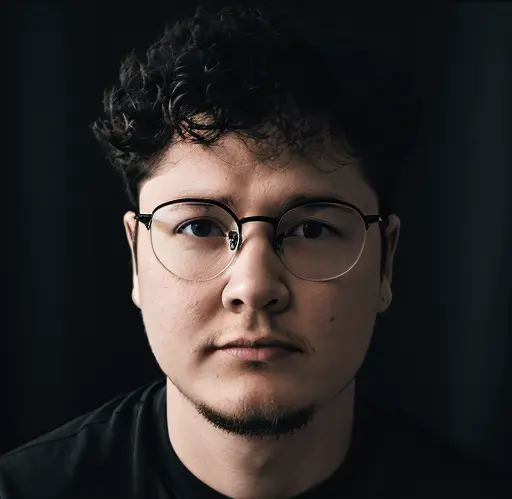
Taylor Rupe
B.A. Psychology | Editor & Researcher
Taylor holds a B.A. in Psychology, giving him a strong foundation in human behavior, motivation, and the science behind personal development. He applies this background to evaluate coaching methodologies, certification standards, and career outcomes — ensuring every article on this site is grounded in evidence rather than industry hype.