
- 1.No license is required to practice life coaching in Colorado — life coach certification is voluntary but strongly recommended
- 2.Life coaches in Colorado earn an average of $54,680/year, slightly above the national average of $54,000
- 3.The ICF Colorado chapter is active, and the University of Denver offers coach training — plus national online programs are available
- 4.Top coaching markets: Denver, Boulder, Colorado Springs, Fort Collins

Professional Life Coach Certification
Foundational coaching certification covering methods, tools, and industry best practices.

Life Purpose Coach Certification
Help clients uncover purpose, align actions with values, and create meaningful lives.

Confidence Coach Certification
Help clients develop unshakable self-trust and overcome self-doubt.

NLP Coach Certification
Leverage NLP techniques to reprogram the subconscious for lasting transformation.
Affiliate link · We may earn a commission at no extra cost to you
Life Coach Training & Certification Overview: Colorado
Colorado has one of the strongest coaching cultures in the country. The state's emphasis on outdoor lifestyle, wellness, personal growth, and work-life balance creates a population that is unusually receptive to coaching services. Denver and Boulder, in particular, have large, active coaching communities with high per-capita concentrations of coaches and coaching clients.
The state's economy is driven by technology, aerospace (Lockheed Martin, Ball Aerospace, United Launch Alliance), energy, healthcare, and outdoor recreation. Colorado's tech sector — centered along the Front Range from Denver to Fort Collins — has attracted a wave of professionals from the Bay Area and other high-cost tech hubs, bringing with them a coaching-friendly mindset and the willingness to invest in personal development.
The ICF Colorado chapter is one of the more active in the nation, providing regular networking, continuing education, and mentorship opportunities. Boulder, in particular, has become a national hub for wellness, mindfulness, and transformational coaching.
$54,680/yr
Avg. Coach Salary
102.7
Cost of Living
vs. 100 national avg
$50
LLC Filing Fee
Yes (flat 4.4%)
Income Tax
Denver
Top City
Do You Need a Life Coach Certification in Colorado?
Colorado does not require a license or certification to practice life coaching. No U.S. state currently regulates the profession, so you can legally offer coaching services without any credential. However, Colorado's large and established coaching community means you'll be competing with many credentialed coaches, making certification practically essential. The distinction between life coaching and therapy is important to understand.
The International Coaching Federation (ICF) is the gold standard. Colorado has one of the highest concentrations of ICF-credentialed coaches in the country, particularly in Denver and Boulder. Corporate clients in the tech and aerospace sectors frequently require ICF credentials.
For detailed guidance on choosing the right credential, see our certification comparison guide.
| ICF-ACC | ICF-PCC | ICF-MCC | |
|---|---|---|---|
| Training Hours | 60+ hours | 125+ hours | 200+ hours |
| Coaching Experience | 100+ hours | 500+ hours | 2,500+ hours |
| Typical Cost | $2,000–$6,000 | $5,000–$12,000 | $10,000–$20,000 |
| Timeline | 6–12 months | 1–2 years | 3–5 years |
| Best For | New coaches | Established coaches | Master-level coaches |
Source: ICF Credentialing Requirements 2026
Professional Life Coach Certification
Foundational coaching certification covering methods, tools, and industry best practices.
- Transformational coaching methods
- Client session frameworks
- Business launch resources
Save thousands compared to traditional programs
Affiliate link · We may earn a commission at no extra cost to you
Life Coach Training: Getting Started in Colorado
Colorado is one of the most supportive states for new coaches, thanks to its active coaching community and wellness-oriented culture. The ICF Colorado chapter offers mentorship and peer support that can accelerate your path to building a practice. Denver and Boulder both have regular coaching meetups and events where new coaches can learn from established practitioners.
Business setup is simple: Colorado's $50 LLC filing fee and $10 annual report make it one of the cheapest states to form a business. The flat 4.4% state income tax is predictable and relatively moderate. The key challenge in Colorado isn't regulatory — it's standing out in a market with many established coaches. A clear niche and strong marketing are essential.
5 Steps to Life Coach Certification in Colorado
Choose a Training Program
Colorado offers local options including the University of Denver's coach training program and Coach Training Alliance. The ICF Colorado chapter can recommend programs. See our online certification guide for comparisons.
Complete Your Training
Finish at least 60 hours for ICF-ACC (Associate Certified Coach) or 125+ hours for ICF-PCC (Professional Certified Coach). Most programs take 6–12 months to complete.
Register Your Business in Colorado
File an LLC with the Colorado Secretary of State ($50 filing fee, $10/year annual report). Colorado's online filing system makes this process quick and simple.
Get Liability Insurance
Professional liability insurance typically costs $200–$500/year. This protects you if a client claims your coaching advice caused harm.
Find Your First Clients
Join the ICF Colorado chapter, attend Denver/Boulder wellness events, and leverage the state's active coaching community. LinkedIn and local meetups are highly effective in Colorado's professional culture.
Life Coach Salary and Earning Potential in Colorado
Life coaches in Colorado earn an average of $54,680/year, according to ZipRecruiter data. This is roughly on par with the national average of $54,000. Colorado's cost of living (index 102.7) is only slightly above the national average, though the Denver metro and Boulder are notably more expensive than the state average.
Executive and leadership coaches in Denver's tech corridor can charge $200–$500 per session. Boulder-based wellness and mindfulness coaches typically earn $100–$250 per session, benefiting from the city's affluent, health-conscious population. Retreat-based coaching in mountain communities can command premium pricing for multi-day experiences.
Colorado's flat 4.4% income tax rate is favorable compared to neighboring California or the higher brackets in many eastern states, allowing coaches to retain more of their earnings.
For a comprehensive salary breakdown, see our life coach salary guide.
Source: ZipRecruiter, 2025
Setting Up Your Coaching Business in Colorado
Colorado is one of the most business-friendly states for coaches. Low formation costs, simple online filing, and a supportive business environment make it easy to get started.
LLC Formation: File with the Colorado Secretary of State. The filing fee is $50, and the annual report costs just $10 — making Colorado one of the cheapest states to maintain an LLC. The entire process can be completed online in minutes.
Business Insurance: Professional liability (errors and omissions) insurance is strongly recommended. Typical cost: $200–$500/year.
Taxes: Colorado has a flat 4.4% state income tax rate. Self-employed coaches should make quarterly estimated tax payments. Some Colorado cities and counties may impose additional local taxes, so check your specific locality.
For step-by-step guidance, see our coaching business startup guide.
| Sole Proprietorship | LLC in Colorado | |
|---|---|---|
| Formation Cost | $0–$50 (DBA only) | $50 filing fee |
| Annual Fees | None | $10/year annual report |
| Personal Liability | Unlimited personal liability | Limited liability protection |
| Taxes | Personal tax return only | Pass-through (same tax treatment) |
| Credibility | Informal | More professional |
| Best For | Testing the waters | Serious coaching practice |
Source: Colorado Secretary of State, 2026
Traditional ICF Programs
- Cost: $3,000–$15,000
- Duration: 6–12 months
- Schedule: Fixed class times
- Location: In-person or scheduled live
Transformation Academy
- Cost: $197
- Duration: Self-paced
- Schedule: Start anytime
- Location: 100% online
Affiliate link · We may earn a commission at no extra cost to you
Life Coach Training Programs in Colorado
Colorado has strong local training options. The University of Denver's Graduate School of Social Work offers a coach training program that can qualify graduates for ICF certification. Coach Training Alliance offers an ICF-accredited Certified Coach Program that's fully online.
The ICF Colorado chapter provides continuing education and can recommend programs aligned with your specialization goals.
For a complete comparison of online options, see our online certification programs guide.
In-Demand Coaching Specializations in Colorado
Executive coaching and leadership coaching are in strong demand along Colorado's Front Range tech corridor, serving leaders at companies like Lockheed Martin, Ball Aerospace, Arrow Electronics, and the state's growing startup ecosystem. Health and wellness coaching is deeply embedded in Colorado's outdoor-active culture — the state consistently ranks among the healthiest in the nation.
Mindset coaching and life purpose coaching thrive in Boulder, one of the nation's top wellness destinations. Career coaching serves the steady stream of professionals relocating to Colorado from higher-cost states. Mountain resort communities like Vail, Aspen, and Breckenridge create opportunities for retreat-based coaching programs.
Explore all coaching specializations to find your niche.
Life Coach Training by City in Colorado
Explore coaching markets across Colorado
How to Become a Life Coach in Denver, Colorado
Colorado's capital and largest city is one of the most active coaching markets in the Mountain West, powered by a booming tech sector, major healthcare systems, and a culture that prizes personal development and outdoor wellness. Denver's rapid growth from professional relocations has created sustained demand for executive, career, and life coaching services.
Coaching Market
Denver anchors Colorado's coaching economy with a diverse employer base that generates demand across virtually every coaching specialty. The technology sector is a primary driver, with major employers including Arrow Electronics, which is headquartered here with roughly 22,000 employees globally, alongside companies like DaVita, Ping Identity, and a thriving startup ecosystem centered in the RiNo and LoDo districts. Healthcare is equally significant, with UCHealth, CommonSpirit Health (formerly Centura Health), and Denver Health collectively employing tens of thousands of professionals who often seek leadership coaching and burnout prevention support.
The energy sector adds another dimension, with companies like Newmont Corporation, Ovintiv, and Liberty Energy maintaining Denver headquarters that create steady demand for executive and leadership coaching. Denver's designation as a growing fintech hub, with companies like Guild Education and Ibotta reaching unicorn valuations, has attracted a wave of ambitious professionals who invest in performance coaching and career acceleration.
Coaches in Denver also serve clients throughout the broader metro area, including Lakewood, Arvada, Aurora, Westminster, Thornton, and Centennial. The city's strong wellness culture, evidenced by its consistently high national rankings for fitness and outdoor activity, makes health and wellness coaching particularly viable. Executive coaching commands premium rates here, with practitioners typically charging between $200 and $500 per session. The Colorado Workforce Development Council has even launched career navigation and coaching collaborative initiatives, signaling government-level recognition of coaching's value in professional development. Denver's combination of corporate headquarters, entrepreneurial energy, and health-conscious culture makes it one of the strongest coaching markets between Chicago and the West Coast.
Training Programs
- Co-Active Training Institute — ICF Level 2 accredited
- iPEC — ICF-accredited, online format
- Erickson Coaching International — ICF-accredited
Denver offers one of the richest concentrations of coaching training resources in the Rocky Mountain region. Their curriculum covers three ICF credential levels (ACC, PCC, and MCC), with the foundational ACC track requiring 60 training hours and 100 logged coaching hours. They offer both online courses and in-person Mastermind sessions in Denver, giving local coaches the advantage of face-to-face workshop experiences combined with flexible scheduling.
Coach Training Alliance, founded in Boulder by Will Craig (a former president of the ICF Denver chapter), provides another strong ICF-accredited option accessible to Denver-area coaches. Their six-month Certified Coach Program blends live teleconferencing with interactive software and has graduated over 8,000 alumni across 13 countries since 2000.
The University of Denver's University College offers a Coaching Skills Certificate through its Professional and Workforce Development division. This non-credit program runs four sessions totaling 12 hours and costs $795, teaching techniques for conflict resolution, personality-type adaptation, and leadership coaching. Colorado State University also offers an online Certified Professional Life Coach program through its Professional Education division, which prepares students for the Certified Professional Coach exam.
The University of Colorado Denver's School of Education provides a Certificate in Executive Coaching for Equity, blending coaching methodology with equity-focused leadership development. Coaches in surrounding communities including Lakewood, Arvada, Westminster, and Thornton typically access these same Denver-based programs, making the city a training hub for the entire Front Range. National programs like iPEC, Co-Active Training Institute, and Erickson Coaching International also maintain strong followings among Denver coaches who prefer fully online ICF-accredited paths.
Networking & Community
- ICF Colorado Season Pass — Professional coaching network
- Denver Metro Chamber of Commerce — Business networking
- ATD Chapter — Talent development network
ICF Colorado, based in the Denver metro area, is the primary professional networking organization for coaches in the region. The chapter hosts monthly meetings that serve as community spaces where members connect, learn, and practice new coaching skills. The ICF Colorado Season Pass provides free access to nearly all chapter educational and community events plus corresponding Continuing Coach Education credits, saving members hundreds of dollars annually. The chapter also maintains a roster of active mentor coaches who help practitioners develop their credentials at various ICF levels.
Beyond ICF Colorado, Denver's broader professional community offers extensive networking channels. The Denver Metro Chamber of Commerce, one of the largest chambers in the region, connects coaches with business leaders and potential corporate clients. Denver Startup Week, one of the nation's largest free entrepreneurial events, attracts thousands of founders and professionals each year, providing coaches with direct access to a population that heavily invests in professional development.
The coaching community in Denver extends across the metro area, with events and meetups drawing participants from Aurora, Lakewood, Arvada, Centennial, and Littleton. WeWork, Industrious, and local coworking spaces like Enterprise Coworking and Thrive Workplace regularly host professional development events that coaches can leverage for visibility and client acquisition. The Colorado Coaching Alliance and various LinkedIn-based coaching groups provide additional digital networking opportunities.
Denver's wellness community, including yoga studios, meditation centers, and fitness communities, offers organic networking for health and wellness coaches. The city's concentration of tech meetups, including those at Galvanize and Denver Devs, creates natural referral networks for coaches serving the technology sector. For coaches targeting corporate clients, organizations like the Colorado Human Resources Association and the Rocky Mountain chapter of the Association for Talent Development provide access to HR decision-makers who commission coaching engagements.
Business Considerations
Coworking
$150–$350/mo
Starting a coaching practice in Denver requires navigating Colorado's straightforward LLC formation process, which involves a $50 filing fee with the Colorado Secretary of State and a $10 annual report fee, making it one of the most affordable states in the country for business formation. Colorado does levy a state income tax, currently at a flat rate of 4.4%, which coaches should factor into their pricing strategy alongside federal self-employment taxes.
Office space costs in Denver vary significantly by neighborhood and building class. The average office rent across the city is approximately $37 per square foot annually, with Class A space in premium locations like LoDo and Cherry Creek averaging around $39 per square foot. Class B space runs about $29 per square foot, while Class C buildings offer rates near $16 per square foot. For a 200-square-foot office suitable for one-on-one coaching sessions, monthly rents range from roughly $270 in basic spaces to $650 in premium locations.
Coworking spaces offer more accessible entry points for new coaches. Open coworking memberships run between $150 and $350 per month, dedicated desks cost $300 to $550 monthly, and private offices range from $700 to $2,400 depending on location and amenities. Popular coworking options include WeWork, Industrious, Enterprise Coworking, and the Candy Factory Coworking in RiNo, which offers day passes at $25 to $35 for coaches who only need occasional in-person space.
Compared to nearby cities, Denver sits in the middle-to-upper range for operating costs. Colorado Springs offers office space at roughly $23 per square foot, roughly 38% less than Denver. Boulder's limited commercial inventory drives rates higher than Denver in many areas. Fort Collins offers moderate pricing comparable to Denver's outer suburbs. Many successful Denver coaches operate primarily virtually and use coworking spaces or hotel lobbies in neighborhoods like Cherry Creek and the Highlands for occasional in-person sessions, keeping fixed overhead minimal while maintaining a professional presence in one of Colorado's most lucrative coaching markets.
Life Coach Training Locations in Colorado
How to Become a Life Coach in Denver, Colorado
Colorado's capital and largest city is one of the most active coaching markets in the Mountain West, powered by a booming tech sector, major healthcare systems, and a culture that prizes personal development and outdoor wellness. Denver's rapid growth from professional relocations has created sustained demand for executive, career, and life coaching services.
Coaching Market — Denver, Colorado
Denver anchors Colorado's coaching economy with a diverse employer base that generates demand across virtually every coaching specialty. The technology sector is a primary driver, with major employers including Arrow Electronics, which is headquartered here with roughly 22,000 employees globally, alongside companies like DaVita, Ping Identity, and a thriving startup ecosystem centered in the RiNo and LoDo districts. Healthcare is equally significant, with UCHealth, CommonSpirit Health (formerly Centura Health), and Denver Health collectively employing tens of thousands of professionals who often seek leadership coaching and burnout prevention support. The energy sector adds another dimension, with companies like Newmont Corporation, Ovintiv, and Liberty Energy maintaining Denver headquarters that create steady demand for executive and leadership coaching. Denver's designation as a growing fintech hub, with companies like Guild Education and Ibotta reaching unicorn valuations, has attracted a wave of ambitious professionals who invest in performance coaching and career acceleration. Coaches in Denver also serve clients throughout the broader metro area, including Lakewood, Arvada, Aurora, Westminster, Thornton, and Centennial. The city's strong wellness culture, evidenced by its consistently high national rankings for fitness and outdoor activity, makes health and wellness coaching particularly viable. Executive coaching commands premium rates here, with practitioners typically charging between $200 and $500 per session. The Colorado Workforce Development Council has even launched career navigation and coaching collaborative initiatives, signaling government-level recognition of coaching's value in professional development. Denver's combination of corporate headquarters, entrepreneurial energy, and health-conscious culture makes it one of the strongest coaching markets between Chicago and the West Coast.
Training Programs — Denver, Colorado
Denver offers one of the richest concentrations of coaching training resources in the Rocky Mountain region. Their curriculum covers three ICF credential levels (ACC, PCC, and MCC), with the foundational ACC track requiring 60 training hours and 100 logged coaching hours. They offer both online courses and in-person Mastermind sessions in Denver, giving local coaches the advantage of face-to-face workshop experiences combined with flexible scheduling. Coach Training Alliance, founded in Boulder by Will Craig (a former president of the ICF Denver chapter), provides another strong ICF-accredited option accessible to Denver-area coaches. Their six-month Certified Coach Program blends live teleconferencing with interactive software and has graduated over 8,000 alumni across 13 countries since 2000. The University of Denver's University College offers a Coaching Skills Certificate through its Professional and Workforce Development division. This non-credit program runs four sessions totaling 12 hours and costs $795, teaching techniques for conflict resolution, personality-type adaptation, and leadership coaching. Colorado State University also offers an online Certified Professional Life Coach program through its Professional Education division, which prepares students for the Certified Professional Coach exam. The University of Colorado Denver's School of Education provides a Certificate in Executive Coaching for Equity, blending coaching methodology with equity-focused leadership development. Coaches in surrounding communities including Lakewood, Arvada, Westminster, and Thornton typically access these same Denver-based programs, making the city a training hub for the entire Front Range. National programs like <a href="https://www.ipeccoaching.com/" rel="noopener" target="_blank">iPEC</a>, <a href="https://coactive.com/" rel="noopener" target="_blank">Co-Active Training Institute</a>, and <a href="https://www.erickson.edu/" rel="noopener" target="_blank">Erickson Coaching International</a> also maintain strong followings among Denver coaches who prefer fully online ICF-accredited paths.
Networking & Community — Denver, Colorado
<a href="https://icfcolorado.org/" rel="noopener" target="_blank">ICF Colorado</a>, based in the Denver metro area, is the primary professional networking organization for coaches in the region. The chapter hosts monthly meetings that serve as community spaces where members connect, learn, and practice new coaching skills. The ICF Colorado Season Pass provides free access to nearly all chapter educational and community events plus corresponding Continuing Coach Education credits, saving members hundreds of dollars annually. The chapter also maintains a roster of active mentor coaches who help practitioners develop their credentials at various ICF levels. Beyond ICF Colorado, Denver's broader professional community offers extensive networking channels. The Denver Metro Chamber of Commerce, one of the largest chambers in the region, connects coaches with business leaders and potential corporate clients. Denver Startup Week, one of the nation's largest free entrepreneurial events, attracts thousands of founders and professionals each year, providing coaches with direct access to a population that heavily invests in professional development. The coaching community in Denver extends across the metro area, with events and meetups drawing participants from Aurora, Lakewood, Arvada, Centennial, and Littleton. WeWork, Industrious, and local coworking spaces like Enterprise Coworking and Thrive Workplace regularly host professional development events that coaches can leverage for visibility and client acquisition. The Colorado Coaching Alliance and various LinkedIn-based coaching groups provide additional digital networking opportunities. Denver's wellness community, including yoga studios, meditation centers, and fitness communities, offers organic networking for health and wellness coaches. The city's concentration of tech meetups, including those at Galvanize and Denver Devs, creates natural referral networks for coaches serving the technology sector. For coaches targeting corporate clients, organizations like the Colorado Human Resources Association and the Rocky Mountain chapter of the Association for Talent Development provide access to HR decision-makers who commission coaching engagements.
Business Considerations — Denver, Colorado
Starting a coaching practice in Denver requires navigating Colorado's straightforward LLC formation process, which involves a $50 filing fee with the Colorado <a href="https://www.sos.state.co.us/biz/BusinessEntityCriteriaExt.do" rel="noopener" target="_blank">Secretary of State</a> and a $10 annual report fee, making it one of the most affordable states in the country for business formation. Colorado does levy a state income tax, currently at a flat rate of 4.4%, which coaches should factor into their pricing strategy alongside federal self-employment taxes. Office space costs in Denver vary significantly by neighborhood and building class. The average office rent across the city is approximately $37 per square foot annually, with Class A space in premium locations like LoDo and Cherry Creek averaging around $39 per square foot. Class B space runs about $29 per square foot, while Class C buildings offer rates near $16 per square foot. For a 200-square-foot office suitable for one-on-one coaching sessions, monthly rents range from roughly $270 in basic spaces to $650 in premium locations. Coworking spaces offer more accessible entry points for new coaches. Open coworking memberships run between $150 and $350 per month, dedicated desks cost $300 to $550 monthly, and private offices range from $700 to $2,400 depending on location and amenities. Popular coworking options include WeWork, Industrious, Enterprise Coworking, and the Candy Factory Coworking in RiNo, which offers day passes at $25 to $35 for coaches who only need occasional in-person space. Compared to nearby cities, Denver sits in the middle-to-upper range for operating costs. Colorado Springs offers office space at roughly $23 per square foot, roughly 38% less than Denver. Boulder's limited commercial inventory drives rates higher than Denver in many areas. Fort Collins offers moderate pricing comparable to Denver's outer suburbs. Many successful Denver coaches operate primarily virtually and use coworking spaces or hotel lobbies in neighborhoods like Cherry Creek and the Highlands for occasional in-person sessions, keeping fixed overhead minimal while maintaining a professional presence in one of Colorado's most lucrative coaching markets.
How to Become a Life Coach in Colorado Springs, Colorado
Colorado's second-largest city combines a massive military presence, a growing technology sector ranked as a top-20 tech city nationally, and proximity to world-class outdoor recreation. The military installations and defense contractors create distinctive coaching niches including transition coaching, leadership development, and family resilience.
Coaching Market — Colorado Springs, Colorado
Colorado Springs has a unique economic profile that generates coaching demand unlike any other city in Colorado. The military is the dominant force, with Fort Carson, Peterson Space Force Base, the U.S. Air Force Academy, Schriever Space Force Base, and the NORAD/Cheyenne Mountain Complex collectively employing roughly one-fifth of the local workforce. This concentration creates strong demand for military transition coaching, leadership development for officers and NCOs preparing for civilian careers, and family coaching for military spouses navigating frequent relocations. The aerospace and defense industry extends beyond the military installations themselves. Lockheed Martin, Northrop Grumman, and L3Harris Technologies maintain significant operations here, employing engineers, program managers, and executives who often seek executive coaching and career development support. A CBRE report ranked Colorado Springs as the second most promising emerging tech talent market in North America, driven by firms including Hewlett Packard Enterprise, Oracle, and FedEx, along with over 140 additional technology companies. The city's CompTIA top-20 ranking for IT jobs further validates the growing tech-driven coaching market. Healthcare adds another significant dimension, with UC Health operating as one of the largest medical service organizations in the region. The U.S. Olympic and Paralympic Training Center, headquartered here, creates niche opportunities for performance coaching and sports psychology-adjacent services. Tourism, responsible for roughly 16,000 local jobs serving over 20 million annual visitors, generates small business coaching opportunities in hospitality and adventure tourism. Coaches in Colorado Springs also serve clients in Fountain, Security-Widefield, Manitou Springs, Woodland Park, and Monument. With more than 38% of the population holding a bachelor's degree or higher and a median resident age of 34, the city offers a young, educated population receptive to coaching investment. Session rates are typically 15-25% lower than Denver but operating costs are proportionally reduced, making the market attractive for coaches seeking strong demand with manageable overhead.
Training Programs — Colorado Springs, Colorado
While Colorado Springs does not host as many in-person training programs as Denver, coaches here benefit from strong online options and easy access to Denver's training ecosystem, located just 70 miles north via I-25. Online ICF-accredited programs are the primary training path for most Colorado Springs coaches. Coach Training Alliance in Boulder likewise attracts students from the Springs through their six-month virtual Certified Coach Program. Colorado State University's Professional Education division offers an online Certified Professional Life Coach program that resonates well with the Springs' military and technical professional population, as CSU has strong name recognition among Colorado residents. The University of Denver's Coaching Skills Certificate, while based in Denver, is accessible for Springs coaches willing to make the drive for the four-session, 12-hour program. For coaches focused on military transition and leadership development, several specialized training programs serve this market. The military installations themselves often sponsor coaching and mentoring programs, and coaches who earn credentials through programs like the Center for Creative Leadership or the Georgetown University Leadership Coaching program find strong demand in this market. ICF Colorado chapter events, while primarily held in the Denver metro area, draw significant attendance from Colorado Springs members. The chapter's virtual programming has expanded access for coaches throughout the Front Range. Coaches in nearby communities including Fountain, Manitou Springs, Monument, and Woodland Park access the same training ecosystem, with most choosing online ICF-accredited programs supplemented by periodic trips to Denver for in-person events and workshops.
Networking & Community — Colorado Springs, Colorado
The primary professional coaching network for Colorado Springs practitioners is ICF Colorado, which serves the entire state. While the chapter's in-person events are typically held in the Denver metro area, virtual programming and periodic Springs-area meetups connect local coaches with the broader Colorado coaching community. The chapter's Season Pass provides access to educational events and Continuing Coach Education credits. Locally, the Colorado Springs Chamber and EDC is a significant networking resource, connecting coaches with the business community through events, committees, and referral networks. The chamber's workforce development initiatives create natural touchpoints for career coaches and organizational development specialists. The Pikes Peak Small Business Development Center offers additional connections to entrepreneurs and small business owners who represent a strong client segment. The military community provides its own extensive networking infrastructure. Military Family Support Centers, the Armed Services YMCA, and transition assistance programs at each installation connect coaches with service members and families. The Association of the United States Army (AUSA) Pikes Peak Chapter and similar military professional organizations host events where leadership coaches can build visibility. Coaches who obtain military spouse preference or veteran-owned business certifications can access additional networking and contracting opportunities. The U.S. Olympic and Paralympic community, while more niche, provides networking for performance coaches. Local organizations like the Catalyst Campus for Technology and Innovation and the Springs' growing tech meetup scene connect coaches with the emerging technology professional segment. Colorado Springs coaches also network across the broader southern Colorado region, connecting with professionals in Pueblo, Canon City, and Woodland Park. The city's active faith-based community, with organizations like Focus on the Family headquartered here, provides networking channels for coaches who serve faith-oriented clients.
Business Considerations — Colorado Springs, Colorado
Launching a coaching practice in Colorado Springs benefits from the same favorable Colorado LLC structure available statewide: a $50 filing fee and just $10 per year for annual reports. The state's flat income tax rate of 4.4% applies to coaching income, and coaches should also account for the El Paso County sales tax on applicable goods, though professional coaching services themselves are generally not subject to sales tax in Colorado. Office space costs represent a significant advantage over Denver. The average office rent in Colorado Springs is approximately $23 per square foot annually, about 38% lower than Denver's average. Class A space averages around $34 per square foot, Class B runs about $21, and Class C space averages roughly $21 per square foot. For a small coaching office, monthly rents can start as low as $350 in Class C space, making dedicated office space financially viable even for newer coaches. Coworking options are growing. Regus offers shared workspace desks starting from $289 to $479 per month on 24-month contracts. New Altitude, a locally owned coworking space, offers desks from $525 per month and mail-only memberships from $150 per month. Hourly coworking averages about $58, making drop-in sessions affordable for coaches who see clients in person only occasionally. The downtown area and the Briargate commercial district in the northern part of the city offer professional spaces with easy freeway access. The Catalyst Campus for Technology and Innovation in the Innovation District provides a tech-oriented environment that appeals to coaches serving the aerospace and defense community. Compared to Denver, Colorado Springs offers coaching rates that are typically 15-25% lower, but the significantly reduced overhead means profit margins can be comparable or even better. The city's cost of living index of approximately 96 (below the national average of 100) makes it an attractive base for coaches who serve clients both locally and virtually across the Front Range, competing with Denver coaches on quality while operating with notably lower expenses.
How to Become a Life Coach in Boulder, Colorado
Boulder punches far above its weight as a coaching market, combining one of the nation's most educated populations, a thriving startup and venture capital scene anchored by Techstars, and a deeply embedded wellness culture. Despite its modest population, Boulder's per-capita demand for coaching services ranks among the highest in Colorado.
Coaching Market — Boulder, Colorado
Boulder's coaching market is defined by an extraordinarily well-educated, health-conscious population with high disposable income. The University of Colorado Boulder, with over 35,000 students and thousands of faculty and staff, anchors the city's knowledge economy. Federal research laboratories including NCAR (National Center for Atmospheric Research), NOAA's Earth System Research Laboratories, and NIST (National Institute of Standards and Technology) employ scientists and engineers who often invest in executive coaching and career development. The technology and venture capital ecosystem is a major market driver. Techstars, one of the world's top startup accelerators, is headquartered in Boulder and has fueled a culture of entrepreneurship that extends to companies like Rally Software (acquired by Broadcom), Sphero, and hundreds of smaller ventures. Job postings indicate over 350 health and wellness coach positions available in the Boulder area, alongside 688 openings in corporate wellness, demonstrating the city's outsized demand for coaching and wellness services. Boulder's culture is deeply oriented toward mindfulness, personal growth, and outdoor lifestyle, creating natural demand for wellness coaching, mindset coaching, and life-purpose coaching. Naropa University, founded on contemplative education principles, attracts students and faculty who align closely with coaching philosophy. The city's thriving yoga, meditation, and outdoor recreation communities generate organic referrals for coaches who integrate holistic practices. Coaches based in Boulder regularly serve clients in surrounding communities including Louisville, Lafayette, Longmont, Superior, Broomfield, and Erie. The Boulder-Denver tech corridor along the US-36 highway creates a continuous professional market, and many Boulder coaches maintain client bases that span both cities. Executive coaching and startup founder coaching command premium rates in Boulder, often matching or exceeding Denver prices despite the smaller population, reflecting the city's concentration of high-income professionals who prioritize personal development.
Training Programs — Boulder, Colorado
Boulder's position as a wellness and personal development hub means coaches here have access to both local and regional training resources that few cities of its size can match. Coach Training Alliance, the ICF-accredited program founded in Boulder by Will Craig, remains a significant local option. Craig, a former president of the ICF Denver chapter, built the program into a globally recognized institution with over 8,000 alumni across 13 countries since 2000. The six-month Certified Coach Program blends live teleconferencing, online media, and interactive software. Naropa University offers a unique complement to formal coaching training. While not an ICF-accredited coaching program per se, Naropa's graduate programs in contemplative psychology, transpersonal psychology, and mindfulness-based counseling provide foundational skills that many coaches find invaluable for developing a holistic coaching practice. The university's emphasis on contemplative education aligns closely with coaching methodologies that incorporate mindfulness and somatic awareness. Denver-based training programs are highly accessible from Boulder, located just 30 miles southeast via US-36. ICF Colorado chapter events and continuing education opportunities are similarly accessible. Online programs are widely used by Boulder coaches, with iPEC, Co-Active Training Institute, Erickson Coaching International, and <a href="https://www.lumiacoaching.com/" rel="noopener" target="_blank">Lumia Coaching</a> all maintaining strong followings. Coaches in Louisville, Lafayette, Longmont, and Broomfield typically access the same training ecosystem, with Boulder serving as the regional hub for in-person workshops and peer learning groups. The city's culture of continuous learning means many Boulder coaches pursue advanced credentials and specialty certifications beyond the initial ICF ACC level.
Networking & Community — Boulder, Colorado
ICF Colorado serves as the primary professional coaching organization for Boulder-area coaches, with chapter events and virtual programming connecting practitioners across the Front Range. While ICF Colorado's in-person events are typically held in Denver, the short 30-mile drive makes attendance routine for Boulder members. The chapter's Season Pass provides comprehensive access to educational events and Continuing Coach Education credits. Boulder's tightly knit professional community creates networking dynamics that differ significantly from larger cities. The Boulder Chamber of Commerce connects coaches with the local business community, while the Boulder Small Business Development Center provides access to entrepreneurs and small business owners. Techstars Demo Days and the broader startup community events draw founders, investors, and executives who are natural coaching clients. The wellness and mindfulness community in Boulder provides organic networking channels that are particularly effective for health, wellness, and life coaches. Yoga studios, meditation centers like the Shambhala Mountain Center (in nearby Red Feather Lakes), and fitness communities create natural referral networks. Many Boulder coaches build their practices through visibility in these communities rather than through traditional business networking. Coworking spaces including Alchemy Creative Workspace, Spark Boulder, and various shared office environments host professional events and facilitate connections among independent practitioners. The Boulder Independent Business Alliance supports local entrepreneurs and creates networking among the city's strong independent business community. Boulder coaches frequently network across communities including Louisville, Lafayette, Longmont, Superior, and Broomfield, creating a regional coaching community that extends well beyond the city limits. The outdoor recreation community, including running groups, cycling clubs, and hiking organizations, provides yet another networking channel, particularly for coaches who offer walking coaching sessions or integrate outdoor experiences into their practice.
Business Considerations — Boulder, Colorado
Forming a coaching LLC in Colorado involves a $50 filing fee and a $10 annual report, among the lowest business formation costs in the country. Colorado's flat 4.4% income tax applies to all coaching income, and Boulder does not impose a separate city income tax, though the city does have a higher-than-average local sales tax rate. Office space in Boulder is expensive relative to its size, driven by limited commercial development, geographic constraints (the city is bounded by open space and mountain parks on three sides), and high demand from tech companies and professional services firms. Commercial rents often exceed Denver averages, with desirable downtown Boulder locations commanding $40 to $55 per square foot or more. Finding dedicated office space under $800 per month is challenging in central Boulder. Coworking spaces provide more accessible alternatives. Alchemy Creative Workspace, Spark Boulder, and Regus locations offer flexible options ranging from day passes to dedicated offices. Monthly coworking memberships typically run $250 to $500 for open desk access, with private offices starting above $800. The Pearl Street Mall area provides premium addresses that some coaches use for their professional presence. A distinctive feature of the Boulder coaching market is the prevalence of outdoor and non-traditional coaching settings. The city's extensive trail system, parks, and mountain access make walking coaching sessions genuinely popular, reducing the need for dedicated office space. Many successful Boulder coaches operate with minimal fixed overhead, using a combination of virtual sessions, coworking day passes, and outdoor meetings. Compared to nearby cities, Boulder commands premium rates but faces higher operating costs. Louisville, Lafayette, and Longmont offer significantly lower commercial rents, often 30-40% below Boulder, while remaining within easy reach of Boulder's client base. Some coaches choose to live and maintain office space in these surrounding communities while marketing their practice as serving the Boulder market. For coaches with an established virtual practice, Boulder's address and professional credibility can justify the higher costs, particularly for executive coaching and startup founder coaching where rates of $300 to $600 per session are achievable.
How to Become a Life Coach in Fort Collins, Colorado
Home to Colorado State University and a thriving entrepreneurial ecosystem, Fort Collins blends academic research, clean energy innovation, and a nationally recognized craft brewing culture. The city's strong community values and highly educated population create steady demand for career coaching, leadership development, and small business coaching.
Coaching Market — Fort Collins, Colorado
Fort Collins' coaching market is driven by a distinctive blend of higher education, technology, and entrepreneurial culture. Colorado State University, the city's largest employer with its extensive research facilities and roughly 34,000 students, creates demand for academic coaching, career coaching for students and alumni, and leadership development for faculty and administrators. The university's annual research awards exceeding $300 million attract science and engineering professionals who invest in career development. The technology sector is growing rapidly, with Fort Collins emerging as a secondary tech hub along Colorado's Front Range. OtterBox, the phone case manufacturer that has exceeded $1 billion in sales, is headquartered here. Major tech employers including AMD, Intel, Hewlett-Packard, and Avago Technologies maintain operations in Fort Collins, creating a combined tech workforce of over 2,500 with projected 15% growth. The bioscience, clean energy, and agri-tech sectors add specialized industries where executive and career coaching find strong demand. Fort Collins' celebrated craft brewing industry, anchored by New Belgium Brewing and Odell Brewing Company, along with Anheuser-Busch's local presence, has fostered a broader entrepreneurial culture that extends well beyond beer. Small business owners, startup founders, and creative professionals throughout the city regularly seek business coaching and strategic planning support. Coaches in Fort Collins serve clients across Northern Colorado, including Loveland, Windsor, Timnath, Wellington, and Greeley. The city's proximity to Denver (65 miles south via I-25) means some Fort Collins coaches maintain client bases in both markets. With Woodward, Qualfon, and Tolmar adding to the corporate employer base, and Banner Health and UC Health providing healthcare sector demand, Fort Collins offers a diversified coaching market that belies its mid-sized population.
Training Programs — Fort Collins, Colorado
Fort Collins coaches benefit from a combination of local resources and strong access to Denver's training ecosystem. Colorado State University's Professional Education division offers an online Certified Professional Life Coach program that includes exam preparation, making it a convenient local option for coaches seeking initial certification. CSU's reputation and name recognition throughout Colorado and beyond add credibility for coaches who train through this program. The city's proximity to Denver, just 65 miles south on I-25, provides practical access to in-person training at in Denver, the University of Denver's Coaching Skills Certificate program, and other Front Range training resources. Coach Training Alliance in Boulder, located about 50 miles south, is similarly accessible for coaches who prefer the ICF-accredited program's blended learning approach. Online ICF-accredited programs are widely used by Fort Collins coaches. iPEC, Co-Active Training Institute, Erickson Coaching International, and Lumia Coaching all serve practitioners here. The <a href="https://www.coachcert.com/" rel="noopener" target="_blank">Center for Coaching Certification</a>, which offers accredited training across multiple coaching specialties including Academic, Business, Career, Executive, Leadership, and Life Coaching, attracts Fort Collins coaches seeking niche credentials. ICF Colorado chapter events serve Fort Collins coaches through virtual programming and periodic Denver-area in-person meetings. The chapter's Season Pass provides access to continuing education events and CCE credits that help coaches maintain their ICF credentials. Coaches in surrounding communities including Loveland, Windsor, Greeley, and Wellington access the same training ecosystem, with Fort Collins serving as the Northern Colorado hub. Colorado State University's broader professional development offerings in leadership, communication, and organizational development complement formal coach training for practitioners who want to deepen specific skill areas.
Networking & Community — Fort Collins, Colorado
ICF Colorado is the primary professional coaching network serving Fort Collins coaches, with virtual events and Denver-area in-person meetings accessible to Northern Colorado practitioners. While the chapter is headquartered in the Denver metro, its digital programming has expanded access for coaches throughout the Front Range. The Fort Collins Area Chamber of Commerce is a significant local networking resource, offering events, committees, and business connections that help coaches build visibility in the community. The chamber's emphasis on supporting the city's entrepreneurial ecosystem aligns well with business coaching and leadership development services. The Northern Colorado Economic Alliance provides additional connections to regional business leaders and economic development initiatives. Colorado State University's alumni network and professional community provide extensive networking for coaches, particularly those serving the education, research, and technology sectors. University events, guest lectures, and professional development programs create touchpoints with potential clients and referral sources. The CSU Ventures innovation hub and Rocky Mountain Innosphere connect coaches with startup founders and entrepreneurs seeking business coaching support. Fort Collins' strong sense of community makes relationship-based networking particularly effective. The city's walkable Old Town district, with its concentration of independent businesses, restaurants, and coffee shops, provides natural settings for networking meetings. Denver Startup Week and Fort Collins Startup Week events bring together entrepreneurs and professionals in concentrated networking environments. Coaches in Fort Collins frequently network with peers and clients in Loveland, Windsor, Greeley, Timnath, and Wellington, creating a Northern Colorado coaching community. The region's active outdoor recreation groups, running communities, and craft brewing social networks provide informal channels for building coaching referrals. The Northern Colorado coaching market is small enough that coaches can build strong personal reputations relatively quickly, making community involvement a particularly effective business development strategy.
Business Considerations — Fort Collins, Colorado
Colorado's business-friendly LLC formation process applies statewide: a $50 filing fee and a $10 annual report requirement. The state's flat 4.4% income tax rate applies to all coaching income. Fort Collins does impose a city sales tax, though professional coaching services are generally not subject to sales tax in Colorado, which simplifies pricing for coaches. Office space in Fort Collins is moderately priced compared to Denver and Boulder. The Old Town area and Harmony Road corridor offer professional spaces suitable for coaching practices, with commercial rents generally ranging from $18 to $30 per square foot annually depending on building quality and location. A small coaching office in the 150-200 square foot range can be secured for approximately $250 to $500 per month, significantly below Denver pricing. Coworking spaces are growing in Fort Collins, though options are more limited than in Denver or Boulder. Galvanize (now part of Stride) and several independent coworking spaces offer flexible membership options typically ranging from $150 to $400 per month for open desk access. The city's concentration of coffee shops with good atmosphere and WiFi, particularly in the Old Town area, provides informal meeting spaces that many coaches use for client sessions. Fort Collins' cost of living is moderate by Front Range standards, generally lower than Denver and significantly lower than Boulder. This means coaching rates are typically 10-20% below Denver averages, but the reduced overhead allows for comparable profit margins. The city's quality of life, including its bike-friendly infrastructure, access to Horsetooth Reservoir, and proximity to Rocky Mountain National Park, attracts coaches who prioritize lifestyle alongside income. Compared to other Northern Colorado cities, Fort Collins offers the best combination of professional infrastructure and market demand. Loveland and Greeley have lower commercial rents but smaller client pools. Windsor and Timnath are growing rapidly but lack the commercial infrastructure for professional coaching offices. For coaches building a practice that serves all of Northern Colorado, Fort Collins provides the optimal base, with its university community, tech employers, and entrepreneurial culture generating the strongest and most diverse client demand in the region.
Life Coach Certification in Colorado: FAQs
Continue Your Research
Start Your Life Coach Certification in Colorado
Ready to become a certified life coach? Compare ICF-accredited programs and take the first step.
Sources
Coaching industry revenue, practitioner demographics, and income data
Life coach salary estimates for Colorado
Cost of living comparison data for Colorado
LLC formation requirements and filing fees
Latest Articles

Life Coaching Industry Trends 2026
The coaching industry hit $5.34 billion. Here are the trends shaping 2026 and what they mean for new coaches.

How Much Does Certification Cost?
Complete cost breakdown: ICF-ACC, ICF-PCC, affordable alternatives from $197, and hidden costs nobody mentions.

Can ChatGPT Replace a Life Coach?
AI chatbots vs human coaches: effectiveness, cost, and what the research actually says.
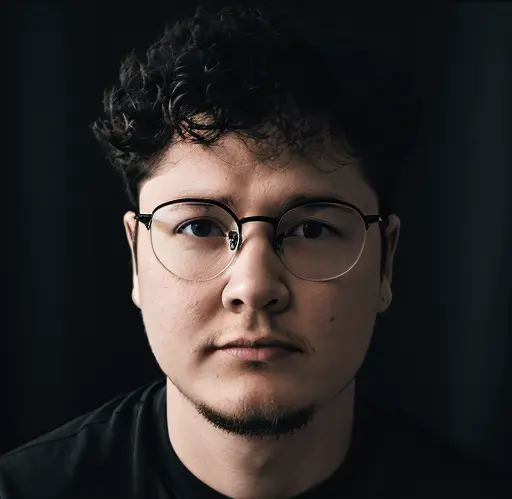
Taylor Rupe
B.A. Psychology | Editor & Researcher
Taylor holds a B.A. in Psychology, giving him a strong foundation in human behavior, motivation, and the science behind personal development. He applies this background to evaluate coaching methodologies, certification standards, and career outcomes — ensuring every article on this site is grounded in evidence rather than industry hype.