
- 1.How to become a life coach starts with training — ICF-accredited programs require 60+ hours for entry-level ACC certification and cost $2,000-$4,000
- 2.No license is required in most states, but certification from ICF, NBHWC, or CCE significantly boosts credibility and earning potential
- 3.The global coaching industry generated $5.34 billion in revenue in 2025, up from $4.564 billion in 2023, according to the ICF Global Coaching Study
- 4.Most coaches are self-employed and earn a median of about $67,800/year in North America, though executive coaches often earn $150,000+

Professional Life Coach Certification
Foundational coaching certification covering methods, tools, and industry best practices.

Life Purpose Coach Certification
Help clients uncover purpose, align actions with values, and create meaningful lives.

Confidence Coach Certification
Help clients develop unshakable self-trust and overcome self-doubt.

NLP Coach Certification
Leverage NLP techniques to reprogram the subconscious for lasting transformation.
Affiliate link · We may earn a commission at no extra cost to you
What Is Life Coaching?
Life coaching is a collaborative, forward-looking process where a trained coach helps clients identify goals, develop strategies, and take action. It's distinct from therapy, which addresses mental health diagnoses and often explores past trauma. Coaching is about where you're going, not where you've been.
The profession is growing fast. According to the 2025 ICF Global Coaching Study, there are an estimated 122,974 coach practitioners worldwide — a 15% increase since 2023. The industry generated $5.34 billion in global revenue, nearly double the $2.849 billion reported in 2023.
That growth matters for anyone considering the field, but it also means more competition. The coaches building sustainable practices aren't just good at coaching — they're good at running a business. This guide covers both sides: the training and credential path, and the practical business skills you'll need.
122,974
Coach practitioners worldwide
$5.34B
Global coaching industry revenue
15%
Growth in number of coaches since 2023
Steps to Become a Life Coach
There's no single path, but most successful coaches follow a version of these steps:
Step 1: Get clear on your motivation and niche. Before you invest in training, figure out who you want to coach and why. The most profitable coaches specialize. A "general life coach" competes with everyone. An executive coach, health coach, or career transition coach has a defined market.
Step 2: Complete an accredited training program. ICF-accredited programs (Level 1, Level 2, or Level 3) are the most widely recognized. For entry-level ACC certification, you need at least 60 hours of coach-specific training. Look for programs accredited by ICF directly — these meet the highest standards for coaching education.
Step 3: Accumulate coaching experience. You need at least 100 hours of coaching experience for an ACC credential (500 for PCC, 2,500 for MCC). Start with pro bono or discounted clients while you're training. Many programs build coaching practice hours into their curriculum.
Step 4: Get mentor coaching. ICF requires 10 hours of mentor coaching — 7 hours of group mentoring and 3 hours of individual mentoring, spread over at least 3 months. Some training programs include this; others charge separately ($1,000-$2,700).
Step 5: Pass the ICF Coach Knowledge Assessment. This is a written exam testing your understanding of ICF's core competencies and Code of Ethics. It's included in your application fee.
Step 6: Apply for your credential. Once you've completed training, coaching hours, mentor coaching, and passed the exam, you apply through ICF. Application fees range from $175 (ACC, ICF member) to $825 (MCC, non-member).
Step 7: Build your business. This is where most coaches struggle. Getting certified doesn't guarantee clients. You need a website, a niche, a marketing strategy, and the willingness to sell your services. We cover this in detail in our guide to starting a coaching business.
Professional Life Coach Certification
Foundational coaching certification covering methods, tools, and industry best practices.
- Transformational coaching methods
- Client session frameworks
- Business launch resources
Save thousands compared to traditional programs
Affiliate link · We may earn a commission at no extra cost to you
How to Choose a Training Program
Your training program is the biggest investment you'll make. Here's what to look for:
ICF accreditation level matters. ICF accredits programs at three levels: Level 1 (minimum 60 hours, prepares for ACC), Level 2 (minimum 125 hours, prepares for PCC), and Level 3 (minimum 75 additional hours beyond Level 2, prepares for MCC). Previously, these were called ACSTH and ACTP pathways.
Price range is wide. ICF-accredited programs cost anywhere from $2,000 to $14,000, depending on the level, format (online vs. in-person), and reputation. The average ACC-level program runs $2,000-$4,000. PCC-level programs range from $3,500 to $13,395 (Coaching-Online.org).
Format: online vs. in-person. Most programs now offer online or hybrid options, which is ideal if you're working full-time during your training. In-person programs offer more networking opportunities but are less flexible. See our guide to online certification programs for options.
What's included? Check whether the program includes mentor coaching hours, practice clients, and exam preparation. If mentor coaching isn't included, budget an additional $1,000-$2,700 for it.
Non-ICF alternatives exist. Not everyone needs or wants an ICF credential. CPD-accredited programs (like those offered by Transformation Academy) provide legitimate entry points at much lower price points — often under $200. These won't qualify you for an ICF credential, but they can be a practical starting point, especially if you're testing the waters before making a larger investment.
Certification Options Compared
The certification landscape can be overwhelming. Here's how the major credentials compare:
Life Coach Certification Comparison
| Credential | Body | Training Required | Experience Required | Cost Range | Best For |
|---|---|---|---|---|---|
| ICF-ACC | International Coaching Federation | 60+ hours (Level 1) | 100+ coaching hours | $4,400-$7,000 total | Entry-level professional credential |
| ICF-PCC | International Coaching Federation | 125+ hours (Level 2) | 500+ coaching hours | $6,000-$16,800 total | Established coaches seeking higher rates |
| ICF-MCC | International Coaching Federation | 200+ hours (Level 3) | 2,500+ coaching hours | $8,000-$20,000+ total | Master-level coaches, trainer roles |
| NBC-HWC | NBHWC | NBHWC-approved program | 50+ coaching sessions | Varies by program | Health & wellness coaching specifically |
| BCC | CCE | Graduate degree + training | Varies | Varies | Counseling-adjacent coaches |
| CPD-accredited | Various | Varies (often self-paced) | None required | $100-$500 | Affordable entry, career exploration |
ICF credentials are the industry standard. If you want maximum credibility — especially with corporate clients or in executive coaching — ICF is the path most recognized by employers and referral sources.
NBHWC is the gold standard for health coaching. If you plan to specialize in health and wellness coaching, the National Board for Health & Wellness Coaching (NBHWC) certification is specifically designed for that niche. It requires completing an NBHWC-approved training program and passing a certifying exam administered by NBME (NBHWC).
For detailed breakdowns of each credential, see our certification guide.
Traditional ICF Programs
- Cost: $3,000–$15,000
- Duration: 6–12 months
- Schedule: Fixed class times
- Location: In-person or scheduled live
Transformation Academy
- Cost: $197
- Duration: Self-paced
- Schedule: Start anytime
- Location: 100% online
Affiliate link · We may earn a commission at no extra cost to you
What Does It Cost and How Long Does It Take?
The total investment depends on the credential you're pursuing and the program you choose.
Cost breakdown for ICF-ACC (entry level):
Training program: $2,000-$4,000. Mentor coaching (if not included): $1,000-$2,700. ICF application fee: $175 (members) or $325 (non-members). Annual ICF membership: $245. Total: roughly $3,400-$7,300. (Source)
Timeline: Most people complete their ACC in 6-12 months. The training hours can be done in as little as 2-3 months if you're in an intensive program, but accumulating 100 coaching experience hours takes longer. You also need 10 hours of mentor coaching spread over at least 3 months.
Budget-friendly alternatives: If the $3,400-$7,300 investment for an ICF credential is out of reach right now, CPD-accredited programs offer a much lower entry point. You can start with a self-paced program for under $200, begin coaching clients, and work toward an ICF credential later when your practice generates revenue.
Building a Coaching Practice
Certification opens the door. Marketing, networking, and sales are what fill your calendar. Here's how successful coaches build a client base:
Pick a niche early. "Life coach" is generic. "Career transition coach for tech professionals" or "executive coach for first-time managers" gives you a specific audience, specific marketing language, and specific referral sources. The 2025 ICF Global Coaching Study found that 54% of all coaches focus on leadership or executive coaching — the most common specialization because corporate clients pay higher rates.
Set your rates strategically. New coaches typically start at $75-$150 per session. Experienced coaches with ICF credentials charge $200-$400+. Executive coaches working with corporate clients often charge $300-$500 per hour. The ICF reports that the average 1-hour coaching session fee globally is $244, a 9% increase from 2019.
Build an online presence. You need a professional website, a LinkedIn profile optimized for coaching, and ideally some content that demonstrates your expertise (blog posts, videos, a podcast). Most clients will research you online before reaching out.
Network with referral sources. Therapists, HR professionals, doctors, and other service providers can be excellent referral sources. Join your local ICF chapter to connect with other coaches. Many coaches also find clients through workshops, speaking engagements, and community events.
Don't quit your day job too soon. Most coaches build their practice part-time before going full-time. ICF data shows coaches average 11.6 hours per week of coaching and work with about 12.4 active clients (ICF 2025). Building a full-time income takes 1-2 years for most practitioners.
For a deeper dive, see our guide to starting a coaching business.
 Sponsored
Affiliate link · We may earn a commission
Choosing a Coaching Specialization
Specializing makes you more marketable and usually leads to higher rates. Here are the most common coaching niches:
Executive coaching — the highest-paying specialization, with experienced coaches earning $300-$500/hour. You'll work with corporate leaders, managers, and C-suite executives. Most executive coaches have corporate experience themselves.
Health & wellness coaching — one of the fastest-growing niches. The NBHWC credential is the gold standard here. Health coaches support clients with lifestyle changes around nutrition, exercise, stress management, and chronic disease prevention.
Career coaching — helping people navigate job transitions, promotions, and career pivots. Strong demand from both individuals and corporate clients offering outplacement services.
Business coaching — working with entrepreneurs, small business owners, and startups on growth strategy, operations, and leadership.
Leadership coaching — corporate-focused, helping managers and emerging leaders develop their skills. Often contracted through HR departments.
Other growing specializations include relationship coaching, financial coaching, ADHD coaching, and mindset/NLP coaching. Explore all options on our specializations page.
Do You Need a Degree to Become a Life Coach?
No. Life coaching does not require a college degree in most cases. ICF certification requires completing an ICF-accredited training program — not a university degree. Many successful coaches come from backgrounds in education, healthcare, corporate management, social work, or military service, where their life experience is more valuable than a specific degree.
That said, there are two exceptions. The NBHWC health coaching certification requires at least an associate degree (or 4,000 hours of work experience as an alternative). And the CCE's Board Certified Coach (BCC) credential requires a graduate degree.
A degree in psychology, counseling, business, or organizational development can be helpful background knowledge, but it's not a prerequisite. What matters more is quality training, practical coaching experience, and business acumen. For more details, see our life coach requirements guide.

So, You Wanna Be a Coach? Minicourse
Free intro course covering why coaching works and how to get started.
Affiliate link · We may earn a commission
Frequently Asked Questions
Sources
Official credential pathways for aspiring coaches
Industry growth data and practitioner demographics
Latest Articles

Life Coaching Industry Trends 2026
The coaching industry hit $5.34 billion. Here are the trends shaping 2026 and what they mean for new coaches.

How Much Does Certification Cost?
Complete cost breakdown: ICF-ACC, ICF-PCC, affordable alternatives from $197, and hidden costs nobody mentions.

Can ChatGPT Replace a Life Coach?
AI chatbots vs human coaches: effectiveness, cost, and what the research actually says.
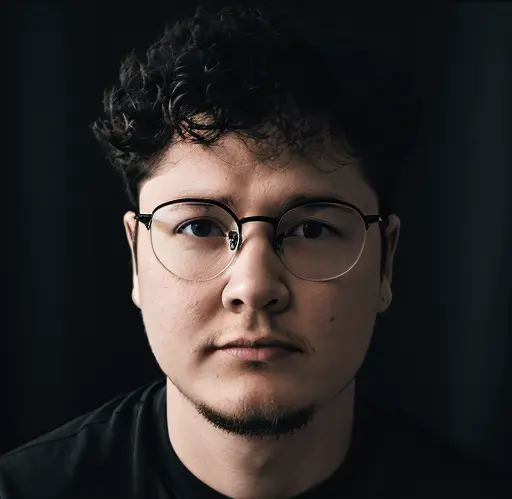
Taylor Rupe
B.A. Psychology | Editor & Researcher
Taylor holds a B.A. in Psychology, giving him a strong foundation in human behavior, motivation, and the science behind personal development. He applies this background to evaluate coaching methodologies, certification standards, and career outcomes — ensuring every article on this site is grounded in evidence rather than industry hype.